Winter Volunteer Engagement and Shift Strategies
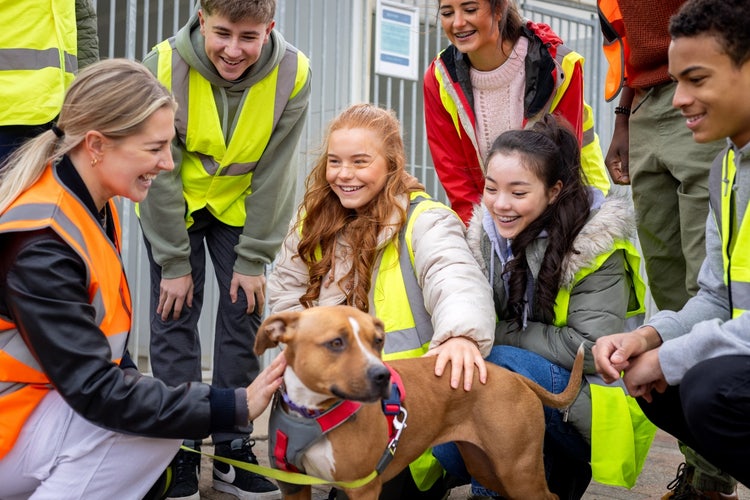
The holidays provide a wonderful opportunity to reprioritize generosity and meaningful connection, and volunteerism is a fantastic way to achieve these goals. Unfortunately, animal shelters often face volunteer shortages during the holidays due to travel, family commitments, weather, and burnout. With proactive planning, shelter managers can help maintain consistent animal care while avoiding placing an excessive burden on employees.
This article will cover animal shelter volunteer scheduling strategies, how to improve volunteer engagement, and methods for promoting a culture of gratitude for the work your volunteers do.
Understanding Seasonal Volunteer Challenges
The holiday season is a fun time of year, but it’s also demanding! Your volunteers will likely have reduced availability due to travel and family commitments. Combined with colder weather, shorter days, and the financial strain of the holidays, these obligations can contribute to emotional fatigue and burnout amongst your year-round volunteers.
Of course, a volunteer shortage doesn’t stop the work of an animal shelter! During the winter, shelters may field more calls about strays due to concerned citizens who don’t want animals out in the freezing cold. There may be cold weather rescues with urgent medical needs entering the shelter.
Unfortunately, the shelter can also see a surge in pet surrenders, primarily because pets given as surprise gifts are often returned after the owner realizes the significant commitment these animals require. In some cases, resident pets are displaced by a new pet. All this in combination with needing to meet year-end obligations means that your shelter is certainly kept busy.
During the holiday season, shelter leadership needs to approach both staff and volunteers with empathy. Remember—just because your volunteers aren’t signing up for as many shifts doesn’t mean they care less! It’s a busy time for the shelter, but it’s also a busy time for them personally.
As much as we love the work we do for the animals, there are other things, such as family and personal health, that come first for many volunteers and staff members. Approaching volunteers with flexible shift options can combat some of the availability limitations they may have during this season.
Smart Scheduling and Shift Management
The following are volunteer shift management tips to help increase coverage over the winter months:
- Use online scheduling: Your volunteers shouldn’t need to travel to the shelter to sign up for shifts. This is important year-round but especially during the winter months when weather may make travel dangerous. Requiring a phone call means your volunteers can only sign up for shifts when someone is available to man the phones. Online shelter volunteer scheduling tools make it easy for volunteers to sign up for shifts at their convenience, and the tools allow you to easily track coverage and send shift reminders.
- Prioritize critical roles: Identify what volunteer roles are critical for the shelter to function, such as feeding or cleaning. Prioritize coverage for these roles and encourage people to sign up as back-ups in case of last-minute cancellation.
- Create early sign-ups: Don’t seek coverage at the last minute! Allow your volunteers to sign up early for shifts in December and January so that they can incorporate volunteering into their plans.
- Prioritize flexibility: Offer shorter or partial shifts for busy volunteers. If possible, consider roles that may be completed without coming into the shelter, such as running social media or data entry. Ensure you have both indoor and outdoor roles available.
- Encourage “buddy” shifts for new volunteers: You’ll still get new volunteers during this time, and it can easily be overwhelming for them! Buddy them up with an established volunteer for their first few shifts.
- Consider advertising holiday service projects: Some companies, organizations, and groups like to give back during the holiday season. You may be able to bring in a large group of volunteers to complete projects, such as making holiday-themed dog toys or decorating the shelter for the season. While these projects may not necessarily be priorities, holiday service projects may relieve some of the strain on your employees and ensure the animals continue to receive appropriate enrichment.
Keeping Volunteers Motivated
Remember, despite the holidays being a time of joy, it’s also a common time for volunteers to feel burnt out. These winter volunteer engagement tips can help your volunteers stay motivated:
- Celebrate accomplishments from the past year. You want your volunteers to see the impact they’ve had! Highlight adoption numbers, animals rescued, animals returned to their homes, and other services your organization provides (e.g., low-cost spay/neuter). Even more importantly, highlight the role your volunteers had in those successes.
- Plan winter appreciation events. Host hot cocoa specials or have a meet-up at a light display or holiday market. Make sure it’s clear that these are volunteer appreciation; invite staff along to further bolster the feeling of community.
- Highlight success stories. Share success stories about individual animals whose outcomes were strongly impacted by the work of volunteers. You can post these to social media, put them in newsletters, and even share them with news stations.
- Say “thank you.” Don’t underestimate the simple impact of gratitude. Send personalized thank-you notes to volunteers. You can also send recognition emails to individuals or to the larger volunteer and donor community.
- Include volunteers in team spirit events. If you have an ugly holiday sweater day or winter walks, make sure you’re encouraging your volunteers to participate, too! It may be isolating if they show up for a shift and your staff is decked out in reindeer antlers and Santa sweaters while they’re wearing a normal volunteer shirt.
Communication and Transparency During the Holidays
Be honest with your volunteers about the challenges your shelter faces during the holidays. At the same time, ensure you’re understanding of the demands the season places on their time and energy. Your communications with volunteers should emphasize that you want to provide flexibility during the holiday season.
Share priority roles with volunteers and make it clear that the shelter cannot function without those roles covered. Provide options for how volunteers can help, whether that’s signing up as back-ups or even covering part of a shift. You may even offer for them to bring a new volunteer buddy along if they have family or friends in town.
If you do this, make sure you don’t forget liability forms and provide a short orientation to the new volunteer that covers the limited role they’ll have for the day.
Planning Ahead for the New Year
The start of every new year is an opportunity for growth and improvement. Use this time to survey your volunteers and collect their feedback.
Questions to ask may include:
- How satisfied were you with your volunteer experience this year? [offer options for them to circle or checkmark]
- What did you like about volunteering this year?
- What areas do you feel you need additional training in?
- Are there any topics you’d like to learn more about in the coming year?
- Is there a shelter department you’d like more experience working with? Please circle the departments you’d like to learn more about. [List the departments out]
- How do you feel about our current method for scheduling volunteer shifts?
- What suggestions do you have for making scheduling easier?
- How satisfied are you with shelter communications (emails, texts, etc.)? [offer options for them to circle or checkmark]
- What suggestions do you have for improving the overall volunteer experience?
Using this feedback, you can offer refresher training for areas that are identified by your volunteers, improve processes, and continue with what’s working well.
Acknowledgement Goes a Long Way
It’s important for animal shelters to acknowledge the dedication, generosity, and hard work of volunteers who continue to give their time in cold and busy months. With flexible scheduling, gratitude for the work of volunteers, and open communication, your shelter can improve volunteer retention during holidays and then use what you learn in the holiday season to build lasting engagement throughout the year.