Shelter Intake Checklist: What to Do During the First 24 Hours
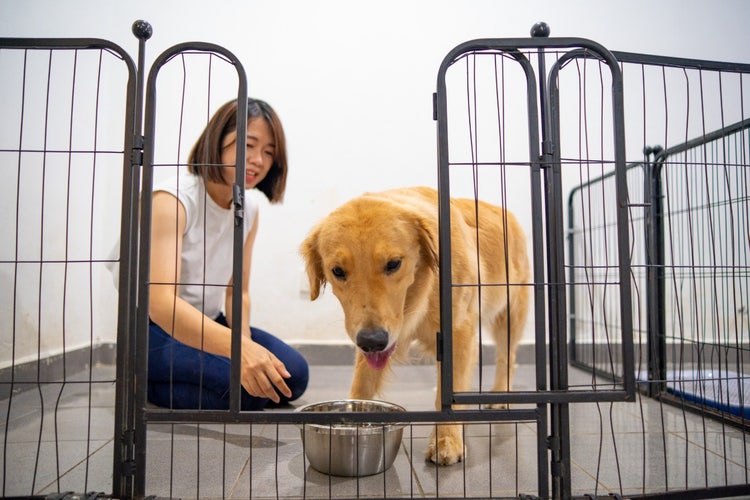
The first 24 hours after an animal arrives at a shelter can shape their entire experience in care. A thoughtful, organized intake process helps reduce stress, identify medical or behavioral needs, and ensure the animal receives appropriate care from the moment they walk through the door.
For many shelters, a successful dog intake shelter process involves more than completing paperwork and finding a kennel. It requires gathering critical information, providing immediate medical attention, assessing behavior, and creating a plan for the animal's next steps.
A consistent shelter intake checklist helps staff and volunteers provide every animal with a safe transition while improving outcomes for adoption, reunification, and long-term care.
Why the First 24 Hours Matter
Arriving at a shelter can be overwhelming for animals. Dogs may be experiencing fear, confusion, separation from their families, or unfamiliar sights and sounds.
The initial intake period is important because it allows shelter teams to:
- Identify urgent medical concerns
- Prevent the spread of illness
- Gather information that supports reunification efforts
- Understand the dog's behavior and needs
- Create an individualized care plan
A positive intake experience can also help reduce stress-related behaviors that may otherwise make a dog appear less adoptable.
Shelter Intake Checklist: First Steps
Every shelter may have different procedures based on available resources, staffing, and local regulations. However, a comprehensive intake process typically includes the following steps.
1. Confirm Basic Information
The first step is documenting everything known about the animal.
During intake, staff should collect:
- Date and time of arrival
- Intake source (stray, owner surrender, transfer, cruelty case, etc.)
- Location where the dog was found
- Finder or surrender information
- Any known owner details
- Previous veterinary records, if available
- Behavioral or medical concerns reported by the person bringing in the dog
Accurate records help shelters make informed decisions and improve the chances of returning lost pets to their families.
2. Scan for a Microchip
Microchip scanning should be one of the first actions performed during intake.
A microchip can provide critical information, including:
- Owner contact information
- Previous shelter records
- Veterinary history
- Rescue organization details
However, a microchip is only useful if registration information is current. Staff should verify the chip number and make every effort to contact the registered owner.
Combining microchip scanning with other lost pet resources, including identification tags and local lost-and-found databases, gives dogs the best chance of going home.
3. Provide an Initial Health Assessment
A medical evaluation helps identify immediate concerns and establishes a baseline for care.
During an initial health check, trained staff should look for:
- Injuries or wounds
- Signs of illness
- Parasites
- Dehydration
- Pain or discomfort
- Respiratory symptoms
- Skin conditions
- Weight and body condition
Dogs showing urgent symptoms should receive veterinary attention as soon as possible.
Even seemingly healthy animals may need observation, vaccinations, parasite prevention, or additional testing before entering the general shelter population.
4. Establish Quarantine and Disease Prevention Protocols
Disease prevention is a key part of any shelter intake process.
New arrivals may carry contagious illnesses that can spread quickly in a shelter environment. Depending on the shelter's policies, dogs may need to be placed in:
- Intake holding areas
- Isolation spaces
- Quarantine areas
- Stray-hold kennels
Staff should follow sanitation procedures, including proper cleaning, handwashing, and equipment protocols.
Preventing illness protects not only newly arrived animals but also the entire shelter population.
5. Record Identification Details
Accurate identification information is essential, especially for stray animals.
Document details such as:
- Breed or breed mix (if known)
- Age estimate
- Sex
- Size
- Coat color and markings
- Distinguishing features
- Collar or identification tags
- Photographs
Taking clear intake photos can support lost pet searches and adoption listings later.
6. Complete a Behavioral Observation
The first behavior assessment does not need to be a formal temperament test. In fact, many shelter professionals now recognize that behavior can change significantly as an animal adjusts.
Instead, focus on observation.
Staff can note:
- Comfort level around people
- Response to handling
- Body language
- Energy level
- Appetite
- Interaction with other dogs, if appropriate
- Stress signals
A dog who is fearful or shut down during the first hours may simply need time to decompress.
Avoid making long-term decisions based solely on behavior displayed immediately after intake.
7. Provide Comfort and Basic Needs
Once immediate needs are addressed, the goal is helping the dog feel safe.
Basic care should include:
- Fresh water
- Appropriate food
- A clean kennel
- Comfortable bedding
- Bathroom breaks
- Quiet time
- Enrichment when appropriate
Small actions can make a significant difference for a frightened animal experiencing a major life change.
8. Create an Individual Care Plan
Every dog entering the shelter has different needs.
After the initial assessment, staff should develop a care plan that considers:
- Medical treatment
- Behavioral support
- Enrichment needs
- Housing placement
- Foster opportunities
- Adoption readiness
- Reunification efforts
A personalized approach helps ensure dogs receive the right support rather than a one-size-fits-all solution.
9. Begin Lost Pet Reunification Efforts
For stray dogs, the first 24 hours are especially important for finding their families.
Shelters should:
- Upload photos to lost-and-found databases
- Post found animal information online
- Check local lost pet reports
- Contact registered owners when possible
- Encourage community sharing
Many families begin searching immediately after a pet goes missing, so quick action can lead to faster reunions.
10. Communicate Clearly With the Team
A successful intake process depends on strong communication.
All relevant information should be accessible to staff and volunteers, including:
- Medical notes
- Behavioral observations
- Special handling instructions
- Feeding requirements
- Foster needs
- Adoption considerations
Clear documentation prevents important details from being missed as animals move through the shelter system.
Improving the Shelter Intake Experience
A strong dog intake shelter process benefits animals, staff, adopters, and the community. When shelters prioritize medical care, accurate records, behavior observations, and compassionate handling, dogs have a better chance of moving successfully toward reunification or adoption.
The first 24 hours are only the beginning of a dog's shelter journey. But with a thoughtful intake checklist and consistent procedures, shelters can create a foundation for healthier outcomes and help every animal receive the care and attention they deserve.