Recognizing Common Kitten Illnesses in Shelters
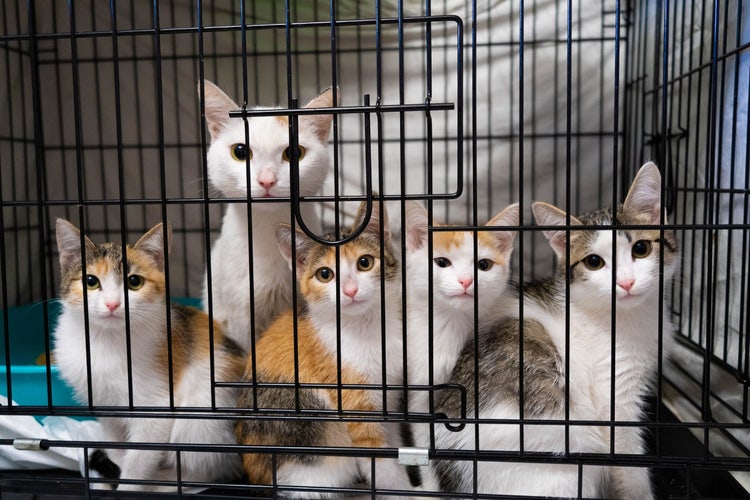
Kittens are among the most vulnerable animals entering shelters and rescue organizations. Their immune systems are still developing, they often arrive with unknown medical histories, and the stress of a new environment can make them more susceptible to disease. While many kittens arrive healthy, others may be carrying infections, parasites, or underlying health conditions that require prompt attention.
For shelter staff, volunteers, and foster caregivers, recognizing the early signs of illness can make a significant difference in a kitten’s recovery and long-term well-being. Early intervention not only improves outcomes for individual kittens but also helps prevent disease outbreaks that can affect entire shelter populations.
Here’s what shelter teams should know about common kitten illnesses, warning signs to watch for, and when it’s time to contact a veterinarian.
Why Kittens Are More Susceptible to Illness
Unlike adult cats, young kittens have immature immune systems that are less capable of fighting infections. This vulnerability is especially pronounced in orphaned kittens or those that did not receive adequate maternal antibodies through nursing.
Several factors increase the risk of illness in shelters:
- Stress from transportation and environmental changes
- Close contact with other animals
- Exposure to contagious diseases
- Parasite infestations
- Inadequate nutrition
- Poor hydration
- Weaning-related challenges
Because kittens can deteriorate quickly, even seemingly minor symptoms should be monitored carefully.
Common Sick Kitten Symptoms
Shelter staff and foster caregivers should perform daily health observations. Many illnesses begin with subtle signs that can easily be missed if kittens are not monitored closely.
Watch for:
- Sneezing
- Nasal discharge
- Eye discharge
- Coughing
- Vomiting
- Diarrhea
- Loss of appetite
- Weight loss
- Failure to gain weight
- Lethargy
- Dehydration
- Difficulty breathing
- Fever
- Excessive crying
- Changes in behavior
Keeping daily records of weight, appetite, activity levels, and elimination habits can help identify problems before they become serious.
Upper Respiratory Infections (URIs)
Upper respiratory infections are among the most common illnesses seen in shelter kittens. Similar to a cold in humans, these infections are highly contagious and can spread rapidly in crowded environments.
Common symptoms of kitten upper respiratory infection include:
- Sneezing
- Nasal congestion
- Runny nose
- Eye discharge
- Squinting
- Reduced appetite
- Lethargy
Because kittens rely heavily on their sense of smell to eat, congestion can quickly lead to decreased food intake and weight loss.
Mild cases may improve with supportive care, but veterinary attention is often needed if symptoms worsen, breathing becomes difficult, or the kitten stops eating.
To reduce spread, affected kittens should be isolated from healthy populations whenever possible.
Diarrhea and Gastrointestinal Problems
Digestive issues are extremely common in shelter kittens and can result from a variety of causes.
Potential causes of kitten diarrhea include:
- Intestinal parasites
- Sudden dietary changes
- Stress
- Viral infections
- Bacterial infections
- Food intolerance
While a single episode of loose stool may not be alarming, ongoing diarrhea can quickly become dangerous in young kittens.
Signs that gastrointestinal illness may be serious include:
- Frequent diarrhea
- Bloody stool
- Vomiting
- Loss of appetite
- Weight loss
- Weakness
- Dehydration
Young kittens have very little body reserve and can become critically dehydrated much faster than adult cats. Any kitten experiencing persistent diarrhea should be monitored closely and evaluated by a veterinarian if symptoms continue.
Eye Infections and Eye Problems
Eye issues are common among shelter kittens and are frequently associated with upper respiratory infections.
Signs of eye problems include:
- Redness
- Swelling
- Excessive tearing
- Yellow or green discharge
- Crusting around the eyes
- Squinting
- Sensitivity to light
Left untreated, some eye infections can lead to corneal ulcers, vision impairment, or permanent eye damage.
Shelter staff can gently clean discharge with a warm, damp cloth, but veterinary care is recommended if symptoms persist, worsen, or appear painful.
Prompt treatment can help preserve vision and prevent long-term complications.
Parasites and Worms
Parasites are extremely common in kittens, especially those entering shelters from outdoor environments.
Common parasites include:
Roundworms
These intestinal worms can cause:
- Pot-bellied appearance
- Poor growth
- Vomiting
- Diarrhea
Hookworms
Hookworms may lead to:
- Anemia
- Weakness
- Weight loss
- Bloody stool
Fleas
Heavy flea infestations can be particularly dangerous in young kittens.
Symptoms include:
- Scratching
- Hair loss
- Skin irritation
- Pale gums
- Weakness from anemia
Ear Mites
Signs include:
- Head shaking
- Ear scratching
- Dark debris in the ears
- Ear inflammation
Coccidia and Giardia
These microscopic parasites commonly cause diarrhea and poor growth in shelter kittens.
Routine deworming, parasite screening, and preventive care protocols are essential components of shelter health programs.
Fading Kitten Syndrome: A Medical Emergency
One of the most serious conditions affecting young kittens is fading kitten syndrome.
Rather than being a single disease, fading kitten syndrome describes a collection of symptoms that indicate a kitten is rapidly declining.
Warning signs may include:
- Weakness
- Inability to nurse
- Low body temperature
- Excessive crying
- Weight loss
- Lethargy
- Unresponsiveness
Affected kittens may appear normal one day and critically ill the next.
Because survival depends heavily on rapid intervention, fading kitten syndrome should always be treated as a veterinary emergency.
The sooner supportive care and treatment begin, the greater the chances of recovery.
Kitten Dehydration Symptoms
Dehydration can develop quickly in kittens, especially when illness causes vomiting, diarrhea, or poor appetite.
Signs of dehydration include:
- Dry or tacky gums
- Sunken eyes
- Weakness
- Reduced skin elasticity
- Lethargy
- Poor appetite
Even mild dehydration can significantly impact a kitten's health.
Shelter caregivers should monitor water intake and hydration status daily, particularly in sick kittens.
Veterinary intervention may be needed if dehydration is moderate to severe, as some kittens require fluid therapy to recover.
When to Take a Kitten to the Vet
While many minor illnesses can be monitored closely, certain symptoms require urgent veterinary attention.
Contact a veterinarian immediately if a kitten experiences:
- Difficulty breathing
- Open-mouth breathing
- Severe lethargy
- Collapse
- Seizures
- Persistent vomiting
- Bloody diarrhea
- Severe dehydration
- Refusal to eat or drink
- Rapid weight loss
- Signs of fading kitten syndrome
- Suspected toxin exposure
- Severe injuries
- High fever
When in doubt, it is always safer to seek veterinary guidance. Kittens can decline far more rapidly than adult cats and waiting too long can significantly reduce treatment success.
Preventing Illness in Shelter Kittens
Prevention remains the most effective way to protect kitten health in shelters.
Best practices include:
Conduct Thorough Intake Exams
Perform health assessments upon arrival to identify illness, injuries, and parasites early.
Follow Vaccination Protocols
Vaccinations help reduce the risk of common infectious diseases and outbreaks.
Use Isolation Procedures
Separate sick animals from healthy populations whenever possible.
Maintain Excellent Sanitation
Regular cleaning and disinfection reduce disease transmission.
Monitor Weight Daily
Weight gain is one of the most reliable indicators of a healthy kitten.
Provide Proper Nutrition
High-quality kitten food supports growth, immunity, and recovery.
Support Foster Programs
Foster homes can reduce stress, decrease disease exposure, and provide more individualized monitoring.
Early Recognition Saves Lives
Shelter staff, volunteers, and foster caregivers play a critical role in protecting kitten health. By recognizing early warning signs, monitoring kittens closely, and seeking veterinary care when necessary, caregivers can dramatically improve outcomes for vulnerable young cats.
Many common kitten illnesses are highly treatable when identified early. Whether it's a mild upper respiratory infection, intestinal parasites, or a more serious condition like fading kitten syndrome, prompt action can mean the difference between recovery and tragedy.
When caring for shelter kittens, trust your observations, monitor changes carefully, and never hesitate to contact a veterinarian if something seems wrong. Early recognition truly saves lives.