Post-Adoption Safety Check-Ins: Keeping Pets Safe
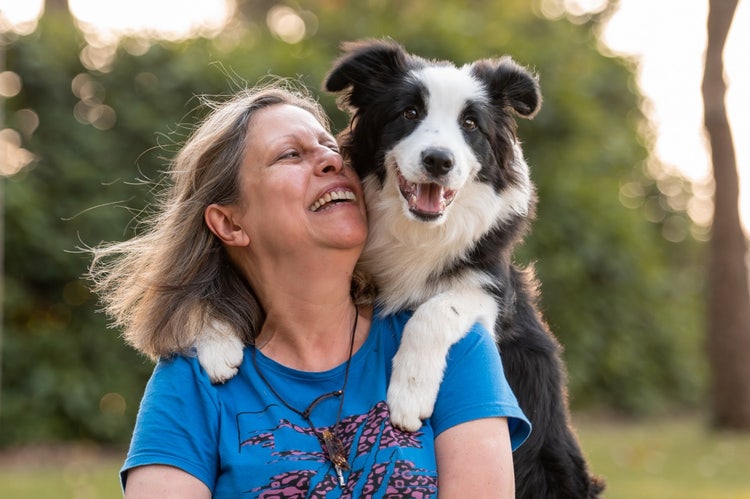
For shelters and rescues, adoption day is a major win, but it’s not the finish line. The first days and weeks after a pet goes home are often the most fragile part of the adoption journey. Many returns, safety incidents, and welfare concerns don’t happen because adopters don’t care, they happen because adopters don’t know what’s normal, what’s temporary, or when to ask for help.
Post-adoption safety check-ins give shelters a chance to step in early, offer reassurance, and prevent small issues from becoming crises. When done thoughtfully, these check-ins don’t create more work: they reduce returns, strengthen long-term adopter relationships, and ensure safe animal shelter adoption.
Why Post-Adoption Safety Check-Ins Matter
Most post-adoption challenges emerge within the first 30 days. Pets are adjusting to new environments, routines, and people, while adopters are navigating unexpected behaviors, medical questions, and safety concerns.
Without support, adopters may:
- Misinterpret normal adjustment behaviors as “bad fits”
- Miss early medical or behavioral red flags
- Make safety mistakes out of stress or inexperience
- Feel embarrassed or afraid to reach out
A simple check-in communicates one critical message: You’re not alone, and help is available before things fall apart.
For shelters, post-adoption follow-up helps:
- Reduce returns and re-surrenders
- Identify safety risks early
- Reinforce adoption counseling
- Build trust and credibility in the community
Common Post-Adoption Risks to Watch For
Safety check-ins are not about micromanaging adopters; they’re about spotting patterns that commonly lead to failed adoptions or compromised animal welfare.
Behavioral Adjustment Challenges
- Hiding, shutdown, or fear responses
- Resource guarding or anxiety-related behaviors
- Leash reactivity or litter box issues
- Destructive behavior due to stress
Environmental and Safety Risks
- Escaping yards, doors, or windows
- Toxic plants, foods, or household items
- Unsafe introductions to resident pets
- Children misreading stress signals
Medical Follow-Through Gaps
- Missed spay/neuter or vaccine appointments
- Medication confusion
- Underestimating post-surgical recovery needs
Early outreach allows shelters to normalize these challenges and redirect adopters before frustration sets in.
What an Effective Post-Adoption Safety Check-In Looks Like
The most successful check-ins are supportive, brief, and non-judgmental. The goal is not evaluation, it’s partnership.
Effective check-ins:
- Use friendly, reassuring language
- Focus on safety, adjustment, and adopter confidence
- Offer resources instead of criticism
- Invite conversation rather than interrogating
Avoid framing that feels like oversight or enforcement. Adopters should feel relieved, not scrutinized.
Timing and Frequency: When to Check In
Shelters don’t need to check in constantly to make an impact. Strategic timing is more effective than frequent outreach.
Recommended check-in points:
- 24–72 hours post-adoption: Immediate transition and safety
- 7–10 days post-adoption: Behavior and routine adjustment
- 30 days post-adoption: Long-term fit and bonding
Shelters with limited capacity can prioritize follow-ups for:
- First-time pet owners
- High-energy or high-needs animals
- Medical or behavioral cases
- Multi-pet households
Tools and Methods for Animal Shelter Follow-Up
Post-adoption safety check-ins don’t require a large team, they require systems.
Common tools include:
- Automated emails or SMS messages
- Short online check-in forms
- CRM or shelter software tracking
- Phone calls for higher-risk placements
- Volunteer- or foster-led follow-ups
Automation handles consistency, while personal outreach is reserved for cases that need it most.
What Questions to Ask During Safety Check-Ins
Good questions are open-ended, supportive, and focused on safety and adjustment.
Helpful check-in questions include:
- How is your pet settling in so far?
- Are they eating, drinking, and eliminating normally?
- Have you noticed any behaviors you weren’t expecting?
- Are there any safety concerns in your home or yard?
- Do you feel confident about your pet’s care plan?
- Would additional resources or support be helpful right now?
These questions often surface issues adopters weren’t sure how to voice.
Supporting Adopters Without Overwhelming Staff
Staff burnout is real, and post-adoption support must be sustainable.
Ways to protect staff while supporting adopters:
- Use standardized scripts and templates
- Provide self-service resources (guides, videos, FAQs)
- Train volunteers to handle basic follow-ups
- Set clear escalation protocols for complex cases
- Encourage adopters to reach out early, not only in crisis
The goal is prevention, not 24/7 availability.
How Safety Check-Ins Reduce Returns and Improve Outcomes
Many returns are driven by panic, not incompatibility.
When adopters understand that:
- Adjustment takes time
- Challenges are common and fixable
- Support is available
They are far more likely to stay committed.
Post-adoption safety check-ins:
- Increase shelter adoption retention
- Improve animal welfare outcomes
- Save staff time long-term
- Strengthen community trust
- Reduce emotional strain on teams
Preventing even a handful of returns can offset the time invested in follow-ups.
Training Staff and Volunteers for Follow-Ups
Post-adoption outreach doesn’t require advanced behavior expertise, it requires empathy and clarity.
Training should focus on:
- Active listening
- Normalizing adopter concerns
- Identifying safety red flags
- Referring issues appropriately
- Maintaining emotional boundaries
Staff and volunteers should understand their role is to support and guide, not to fix everything themselves.
Reinforce Your Commitment to Pet Adoption Safety
Post-adoption safety check-ins are one of the most effective and underutilized tools shelters have to protect pets after adoption. When done thoughtfully, they reduce returns, improve adopter confidence, and reinforce the shelter’s commitment to lifelong welfare.
Even small, well-timed outreach can make the difference between a struggling adoption and a successful one. Start where you can, build systems that work for your team, and remember: adoption doesn’t end at the door, it continues with support.