Planning for the January Shelter Intake Surge
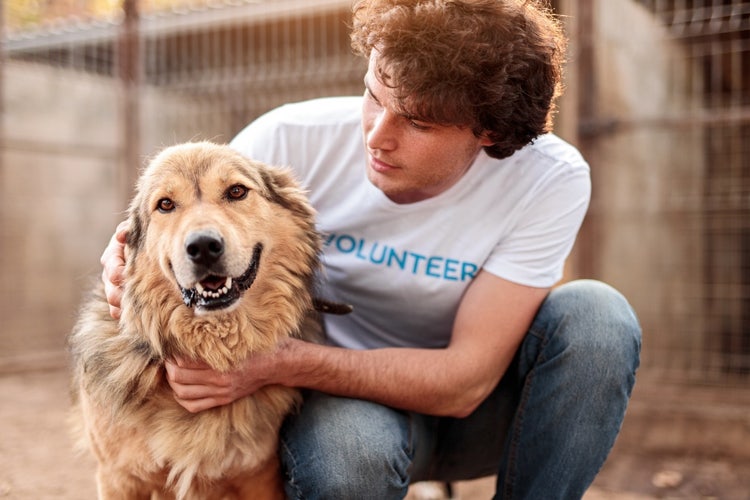
The end of each year is a good time to start working towards new goals for your animal welfare organization. While goal setting is a great way to prepare for the new year, it’s easy to start off on the wrong foot if you’re not ready for the post-holiday intake surge in January.
In this article, we’ll discuss why there’s a January shelter intake surge, how to ensure you have adequate staff support and on-hand resources, and how to develop a plan that ensures year-after-year improvement in your intake response.
Understanding the January Intake Surge
According to Shelter Animals Count’s 2025 Mid-Year Analysis, January was the month with the highest number of dog intakes in 2024 and is projected to be the highest month for intakes in 2025, as well. An unfortunate cause of the winter animal intake surge is post-holiday surrenders.
People who were gifted a dog during the holiday season may find themselves surrendering a dog shortly after, either due to the owner’s inability to meet the dog’s needs or mismatched personalities with existing pets in the home. In addition, shelters may field more calls related to stray animals (both dogs and cats), with concerned citizens trying to help animals at risk due to dangerous weather conditions.
The expected increase in animals entering the shelter means the organization needs to be prepared to use more resources and spend more money. With more animals to care for, shelter employees will be busier, with burnout and compassion fatigue more likely. On top of this, shelters sometimes struggle with volunteer coverage during the winter months due to holiday travel and winter weather.
Staffing and Volunteer Planning
Shelter leadership can alleviate some of the strain on employees and volunteers by planning ahead for adequate shelter staffing during surges. Consider the following strategies:
- Audit current staffing and volunteer coverage. Identify gaps in coverage that may become more problematic as more animals enter the shelter. Determine if there are roles in intake or animal care that can be taken off the plates of your employees and given to trusted volunteers.
- Schedule flexible shifts for peak intake days. If you’re expecting a lot of animals to come in on a specific day, either due to scheduled pet surrenders or historical data, schedule flexible shifts for volunteers on those days. Have plans for how your staff can flex their time around these days as well.
- Recruit temporary or seasonal volunteers if needed. The holidays and new year are a good time to look for people who want to “give back.” You can also consider seasonal workers if current staff and volunteers aren’t meeting your organization’s needs.
- Offer incentives or recognition to maintain morale. Burnout and compassion fatigue may be more likely during this time of year, so it’s important that you’re recognizing the work of your employees and volunteers.
- Prepare a backup contact list for last-minute shortages. Employees and volunteers may be out due to travel, weather, or illness. Offer backup shifts for volunteers. Consider cross-training staff—this can be valuable if you have a shortage in a critical department.
Supply and Resource Checklist
With an expected increase in animal intakes, it’s a good idea to ensure you have the supplies and resources you’ll need ahead of time. Answering these questions can help you in your animal shelter surge preparation!
Feeding and Daily Care:
- Do you have enough food, including foods for different animal age groups, canned vs. dry food, and any prescription foods you may need?
- Do you have the bowls you’ll need to ensure every animal has access to food and water?
- Do you have enough enrichment treats and toys?
- Do you have the items you need for proper animal restraint, such as leashes or muzzles?
- Do you have adequate bedding for kennels?
Medical Needs:
- Do you have the medical supplies you need on-hand, including for preventive care, treatment of common conditions, and diagnostics?
- What is your back-up plan if you run out of an essential veterinary resource? Do you have contacts you can borrow items?
- What is your plan for emergency veterinary support?
Intake Needs
- Do you have the intake forms you’ll need? If need be, are they updated for the new year?
- Are your microchip scanners functional?
- Do you have the vaccines, parasite preventives, microchips, and other resources that your intake care needs to take in large numbers of animals?
Cleaning and Sanitation Needs
- Do you have the cleaning and sanitation supplies you’ll need? This isn’t just what you’ll need to clean kennels, but also laundry detergent, dish soap, paper towels, and bathroom supplies.
- Do you have enough personal protective equipment (PPE)?
It’s a good idea to go through each of these subtopics and make a list of the products or resources you need on-hand, as well as how many of each you require. Complete an inventory a few weeks prior to the start of the new year, and make sure you’re checking expiration dates on products, especially medical supplies and pet food. It can be helpful to enlist leadership from each department to create these lists.
Intake Process Preparation
Prior to January, make sure you go through the following steps to ensure your intake team is ready for the surge:
- Review your intake process with team members and volunteers, especially new, temporary, or seasonal workers/volunteers.
- Review and update intake forms.
- Ensure your medical screening protocols are understood by intake staff and volunteers.
- Stock extra of the supplies your intake team needs to welcome an animal to your shelter.
- Preplan triage for urgent medical or behavioral cases. Your medical and behavior teams should be involved in this component of shelter intake planning.
- Determine how you can streamline paperwork and record-keeping. Electronic records can be incredibly helpful for this process.
- Reach out to your foster network and partner organizations ahead of time to develop a plan for overflow.
Communication and Community Outreach
As a nonprofit organization, you rely on your community for success. A crucial element that you have control of is how you communicate with staff, volunteers, partners, and the wider community. People can’t help you prepare if they don’t know that you’re expecting a surge of animals.
You should notify your employees and volunteers, your partners, and the greater community of the expected surge. Social media, news stations, and newsletters are a great way to get the word out. You can request donations, direct people to your wish lists, recruit volunteers, and communicate foster and adoption needs through these channels.
Throughout everything, remember that we want to keep pets with their people. Provide guidance to the community on pet support options. Rather than simply preparing for more animals, make sure you’re working with intake staff on pet surrender prevention as well. By helping people keep their pets, you can decrease the number of animals entering the shelter.
Monitoring and Post-Surge Evaluation
Throughout the surge, it’s important to monitor and track your shelter’s performance. This is crucial information that can inform your response over the forthcoming years. You’ll want to track:
- Intake numbers, including owner surrenders and strays
- Prevention of pet surrenders
- Shelter occupancy
- Volunteer hours and attendance
- Staff overtime
- Resource utilization
After the surge ends, speak with your staff and volunteers to identify successes and areas for improvement. Using this feedback, both positive and negative, you can improve your preparedness for future intake surges. Make sure you’re not solely focusing on what could be better, you need to call out successes too!
Plan in Advance
Proactive planning can help your shelter handle the January shelter intake surge, ensuring better care for the animals you take in and reduced stress on your staff and volunteers. Remember that open communication with your staff, volunteers, partners, and community improves your likelihood of a smooth response to the winter animal intake surge. By viewing start-of-year planning as an annual best practice, your shelter can stay a step ahead of the winter animal intake surge.