Managing Dog Kennel Anxiety: Practical Tips for Shelters
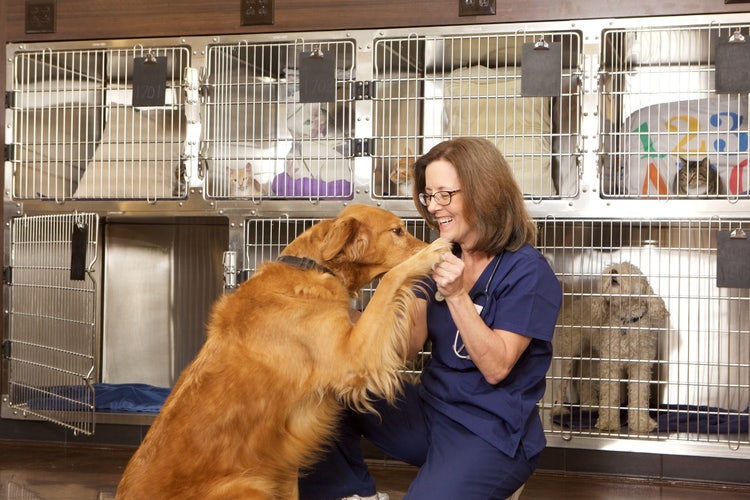
Dog kennel anxiety is one of the most common behavioral challenges faced in shelters and rescue environments. While kennels provide necessary containment and safety, they can also trigger stress responses in dogs who are overwhelmed by noise, unfamiliar smells, confinement, and unpredictable routines.
Left unmanaged, kennel anxiety can reduce adoptability, strain staff resources, and negatively impact a dog’s physical and emotional health. The good news? With proactive strategies, environmental adjustments, and consistent handling practices, shelter and rescue teams can significantly reduce dog stress in kennels and improve overall outcomes.
This guide offers practical, scalable strategies for managing kennel anxiety in dogs, whether you operate a large municipal shelter or a small volunteer-run rescue.
What Dog Kennel Anxiety Looks Like
Recognizing shelter dog stress early is key to intervention. Kennel anxiety can present in multiple ways:
- Persistent barking or whining
- Pacing, spinning, or repetitive circling
- Panting unrelated to temperature
- Drooling or lip licking
- Refusal to eat
- Chewing or biting at kennel bars
- Cowering or retreating to the back of the kennel
- “Shutdown” behavior (frozen posture, minimal response)
Body language cues often include tucked tails, pinned ears, “whale eye” (visible whites of the eyes), and avoidance of eye contact.
Not every stressed dog is loud, some become unusually quiet or withdrawn. Both ends of the spectrum deserve attention.
Assessing Kennel Anxiety at Intake
Early identification allows for early support.
At intake, consider:
- Brief behavioral screening
- Noting known triggers (noise, other dogs, fast movements)
- Gathering history from previous owners or rescuers
- Categorizing anxiety severity (mild, moderate, severe)
Documenting behaviors in a consistent format allows staff and volunteers to track patterns and measure improvement over time. Even simple daily notes can provide valuable insight into progress or setbacks.
Environmental Modifications to Reduce Shelter Dog Stress
The kennel environment itself can significantly influence anxiety levels. Slight changes often produce noticeable results.
Visual Barriers
Installing privacy panels or partially covering kennel fronts can reduce overstimulation from constant visual exposure to other dogs and foot traffic.
Sound Management
Shelters are noisy environments. Strategies may include:
- Playing soft classical music
- Using white noise machines
- Creating designated quiet hours
Reducing peak noise levels can help calm the entire kennel area.
Comfortable Resting Areas
Providing raised beds or thick bedding helps dogs feel more secure and physically comfortable. Nest-style setups can give anxious dogs a sense of enclosure and safety.
Consistent Cleaning Protocols
Strong cleaning odors can heighten stress. When possible:
- Avoid spraying directly in the dog’s presence
- Maintain predictable cleaning schedules
- Allow bedding with familiar scent to remain when safe
Even modest adjustments can lower stress and improve overall kennel behavior.
Canine Kennel Enrichment and Predictability: The Foundation of Anxiety Reduction
Enrichment is not optional; it is a powerful behavioral tool.
Rotational Enrichment
Rotate toys and puzzle feeders to maintain novelty without overstimulation. Examples:
- Food-stuffed toys
- Snuffle mats
- Frozen treat items
- Lick mats
Scheduled Breaks from the Kennel
Short, structured walks or yard time can dramatically reduce pacing and vocalization.
Predictable Routines
Consistency builds security. Aim for:
- Regular feeding times
- Scheduled walks
- Predictable volunteer visits
- Consistent handling protocols
Dogs thrive on predictability. When routines are reliable, anxiety often decreases.
Handling Techniques That Reduce Dog Fear in Shelters
Human interaction can either increase or decrease kennel anxiety.
Best practices include:
- Approach from the side rather than directly head-on
- Avoid prolonged direct eye contact with fearful dogs
- Use calm, low-toned speech
- Move slowly and deliberately
- Toss treats before entering to build positive associations
For highly stressed dogs, begin interactions outside the kennel door before entering. Clicker training or target stick work can create engagement without overwhelming the dog.
Consistency among staff is critical. Mixed signals can confuse anxious dogs and undermine progress.
Training Staff for Consistent Kennel Anxiety Management
Consistency across your team is one of the most overlooked factors in reducing kennel anxiety. Even the best enrichment plan can fall short if staff members approach and handle dogs differently throughout the day. Developing clear protocols for your shelter's handling of stressed dogs ensures that every interaction supports progress rather than unintentionally reinforcing fear.
Start by implementing short, practical workshops focused on reading canine body language and responding appropriately. Staff and volunteers should understand when to pause, when to redirect, and when to disengage. Incorporating basic kennel anxiety training techniques, such as reward-based counter-conditioning, calm leash presentation, and structured kennel entry routines, helps dogs build predictable associations with human interaction.
It’s also important to standardize calming techniques for dogs within the shelter. For example, designate specific phrases, treat delivery methods, or handling sequences so dogs experience repetition and stability. Teaching teams to reinforce calm behaviors (such as sitting quietly before leash attachment) reduces arousal over time.
Regular refreshers and behavior case reviews can strengthen consistency and improve outcomes. When staff confidence increases, anxious dogs often respond with measurable improvements in settling behavior and social engagement.
Behavioral Interventions for Moderate to Severe Cases
For dogs with persistent kennel anxiety, structured behavioral strategies are essential.
Counter-Conditioning
Pair stressful triggers (such as staff walking by) with high-value rewards to shift emotional responses over time.
Desensitization
Gradually expose dogs to triggers in controlled, low-intensity ways.
Mat or “Safe Zone” Training
Teach dogs that a specific mat or blanket signals calm behavior and reward. Over time, this becomes a coping tool within the kennel.
Tracking progress with simple behavior scoring helps determine whether interventions are effective.
When Veterinary Support Is Appropriate
Some dogs benefit from additional support beyond environmental and behavioral strategies.
Under veterinary supervision, shelters may consider:
- Dog appeasing pheromone (DAP) diffusers
- Calming supplements
- Short-term anxiolytic medications for acute distress
Medication should always complement, not replace, behavioral management and enrichment.
Measuring Success in Managing Kennel Anxiety
Tracking outcomes improves long-term success.
Indicators of improvement may include:
- Reduced vocalization
- Increased time spent resting calmly
- Improved appetite
- Willing engagement with staff
- Faster recovery after stressful events
Daily logs, volunteer observations, and weekly team check-ins help ensure strategies remain consistent and adaptive.
Supporting Staff to Prevent Burnout
Managing kennel anxiety can be emotionally taxing. Compassion fatigue is common in shelter environments.
To support staff:
- Rotate assignments in high-stress areas
- Encourage debrief conversations
- Provide breaks after challenging cases
- Promote peer support systems
Healthy, supported staff are better equipped to support anxious dogs.
Preparing Dogs for Adoption
Reducing kennel anxiety directly improves adoptability, but preparation shouldn’t stop at adoption.
Provide adopters with:
- Clear notes on stress triggers
- Enrichment routines used successfully in shelter
- Gradual decompression recommendations
- Trainer or behaviorist referrals when appropriate
Follow-up communication increases successful placements and reduces returns.
Small Changes, Meaningful Impact
Managing dog kennel anxiety requires awareness, structure, and consistency. While shelters operate under time and resource constraints, even small adjustments like visual barriers, enrichment rotation, predictable routines can significantly reduce dog stress in kennels.
Every dog responds differently. Observation, documentation, and compassion guide effective intervention. By implementing practical, evidence-informed strategies, shelter and rescue staff can improve welfare, increase adoptability, and create a calmer environment for both dogs and caregivers.
Looking to strengthen your shelter’s enrichment program? Start by evaluating daily predictability and visual stressors, since small consistent shifts can change a dog’s entire shelter experience.