Low-Cost Spay and Neuter Clinic: A Guide for Shelters
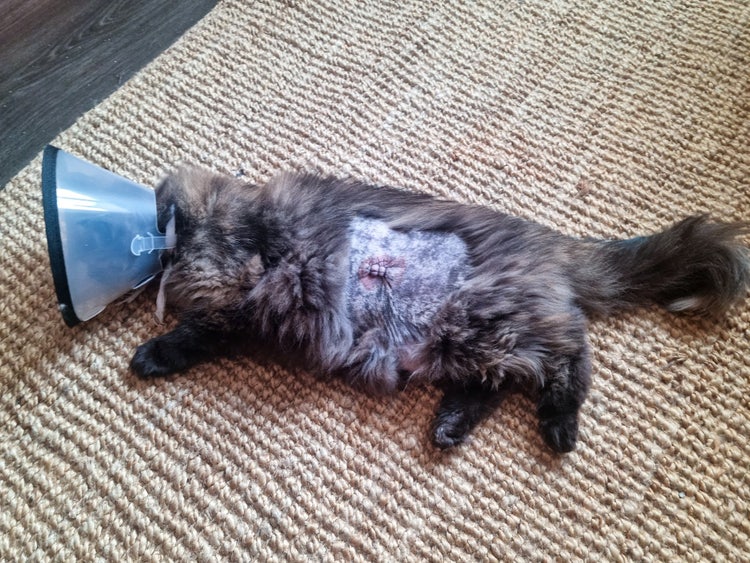
Spay and neuter is an important strategy for combatting pet overpopulation, yet many pet owners face barriers to getting their pets altered, such as the cost of the procedure, access to a local clinic, language barriers, or miseducation regarding spay and neuter.
The Access to Veterinary Care Coalition found in 2018 that nearly a fourth of pet-owning households struggle to obtain preventative veterinary care for their pets, with finances cited as the dominant factor. Low-cost spay and neuter clinics have a crucial role to play in providing routine spay and neuter to households facing barriers to veterinary care.
Here, we’ll discuss spay/neuter clinic program development, methods for community outreach, and how your organization can benefit from partnerships with other organizations.
Why Affordable Spay and Neuter Programs Matter
In addition to providing a service to low-income families or other families with challenges regarding access to veterinary care, low-cost spay and neuter programs offer several other benefits:
- Pet population control and reducing shelter intakes
- Improving animal welfare
- Improving public health
- Saving money for animal shelters and communities
Funding and Financial Considerations
Spay and neuter programs rely on outside fundings sources for operations. The following are considerations to keep in mind:
- Setting up a clinic (mobile vs. fixed location) or developing a program that partners with existing organizations: If you are setting up your own clinic, you will need to raise money to cover the building, equipment, and personnel costs. However, dedicated clinics can generally perform more surgeries in a day than full-service practices, meaning your program may have more of an impact than if you cover or subsidize spay and neuter performed elsewhere. If you are setting up your own clinic, consider looking for equipment at a reduced cost or for free from human hospitals or veterinary clinics that are replacing their equipment.
- Apply for grants: Look into foundations like PetSmart Charities, Petco Love, or the Petfinder Foundation to see if you qualify for grants. Look for applicable government grants, particularly through agricultural departments. Consider checking with local banks, which sometimes offer grants for nonprofits in their area.
- Emphasize the importance of donations in your strategy: Fundraising will always be an important component of animal shelter programs. Work with local organizations, utilize social media, and host unique events to gain supporters.
- Consider municipal funding options: Some organizations have success pushing for the government to fund subsidized spay and neuter programs, often utilizing vouchers. Pet populations that are sometimes served through these programs include pets from low-income families, animals with litters, pit bulls, and community cats. Municipal shelters looking to start a spay/neuter program must keep in mind that they rely on the budgets of their jurisdiction, so it’s important to develop a convincing argument about the importance of spay and neuter. Offering vaccinations may be beneficial for these organizations, who report success relying on the public health benefits of spay/neuter programs to garner government support.
- If working with existing clinics, have a plan for how to reimburse them. If your organization is partnering with existing clinics to provide care, reimbursement for veterinary services is going to be your major expense, outside of paying and providing benefits to your employees. Make sure you work with those clinics to determine your payment plan, whether that’s paying upfront for services or getting billed. If the client is paying a portion of the cost, requiring clients to pay a non-refundable deposit at the time they make the appointment may decrease no-shows.
- Consider cost-sharing partnerships: If you are working with clinics, some of them may consider cost-sharing partnerships for their low-income or high-needs clients. They may also reduce the price of their usual spay/neuter surgery for your program.
Program Logistics and Structure
When developing a low-cost spay and neuter program, there are several logistical issues you need to consider.
The first question is whether you have an existing structure you can use (such as a clinic within your animal shelter), need to build a fixed-location clinic or a mobile clinic, or whether you’ll develop a program that utilizes existing veterinary clinics to meet pet owner needs.
- Mobile clinics are especially useful for increasing spay/neuter access in rural counties and for clients with accessibility challenges.
- However, fixed-location clinics are more successful in locations with higher human populations, usually over 250,000. Some accessibility and transport concerns can be overcome if the organization has transport vans for animals. If you will be building a spay/neuter clinic, consider reviewing the ASPCA’s S/N Building & Equipment Resource Guide.
When developing your appointment and scheduling system, it’s important to consider the resources you’ll have available, kennel space within your clinic, and the capacity of your veterinarian. For example, if your veterinarian can do 60 surgeries per day, this doesn’t mean you should schedule them for 60 large dog spays in one day. Work with your veterinarian to determine the distribution of surgery types. Some clinics see success by setting a point system, with large dog spays “costing” more points than a dog neuter, for example.
If you are partnering with other clinics, it may be best to allow them to control scheduling. Speak directly with your partners to determine the system they’d like to use. If you utilize a voucher system, consider having both digital and physical vouchers available to increase shelter spay/neuter accessibility. Keep in mind that not all people have access to the internet.
Low-cost spay and neuter clinics should still offer high-quality services. To ensure this is the case, develop your plans using the Association of Shelter Veterinarians Medical Care Guidelines for Spay-Neuter Programs. These guidelines cover a variety of topics, including client communication guidelines, the physical exam, the surgical procedure itself, recovery, and post-operative care.
Despite the high volume of animals, clinics should still ensure an adequate patient history is gathered, that clients are given pre-operative instructions such as how to withhold food, that the risks of surgery and anesthesia are discussed, and that clients sign a well-developed consent form. Have a plan for directing clients if post-operative complications develop, such as whether you can see the pet or must refer it and whether you can provide financial assistance for treatment.
Building Partnerships for Greater Reach
Of course, low-cost spay and neuter services are more effective when the spay/neuter organization leans on partnerships.
- Collaborate with local veterinarians to offer low-cost spay and neuter to their clients who are reluctant to pursue the surgery due to financial cost.
- Ask pet stores to carry brochures or other informational materials for your organization.
- Contact animal welfare organizations to see if they’re in need of low-cost spay and neuter services.
- As you’re developing your program, look to national organizations or large non-profits for potential mentoring opportunities.
- You can work with schools, community centers, and human services agencies to disseminate information and gather volunteers.
- Engage volunteers for transport of animals, education of potential clients, and administrative support.
Promoting Awareness and Accessibility
To ensure the public is aware of your services, consider the following tips:
- See if your organization can table at community events
- Post flyers in community centers
- See if you can put brochures in pet stores
- Contact local veterinary clinics to see if they will partner with you
- Have active social media accounts
- Work with other nonprofits, such as domestic violence shelters or unhoused encampment outreach organizations, to promote your work
Remember, the overall goal of a spay/neuter program is to reduce pet overpopulation and improve community welfare. Shelters and welfare organizations have an important role to play, whether through implementing their own spay and neuter programs or partnering with local clinics or organizations to subsidize spay and neuter surgeries. Through community collaborations, animal welfare organizations with spay/neuter programs can help keep pets healthy and in their homes.