Human Foods Safe for Dogs: Shelter Training Tips & Treats
Not every shelter dog is eager to work for kibble.
Some arrive scared, shut down, overstimulated, or simply too stressed to care about standard treats. For shelter staff, volunteers, and foster teams, finding the right motivator can make all the difference during socialization and training. In many cases, feeding dogs human foods can be one of the most effective tools for building trust.
Food is one of the fastest ways to create positive associations. A nervous dog who won’t approach a leash may slowly gain confidence for pieces of chicken. A fearful dog who avoids people might begin engaging when high-value rewards are involved. Used correctly, safe human food for dogs can support training, improve handling, and help dogs move toward adoption faster.
The key is knowing what human foods dogs can eat safely, and how to use them strategically.
Why Food Matters in Shelter Training
Shelter life is stressful. Even friendly, well-socialized dogs can become withdrawn or reactive in a shelter environment. New sounds, unfamiliar handlers, confinement, and unpredictable routines all contribute to elevated stress.
That’s where food becomes powerful.
Positive reinforcement training works by rewarding behaviors you want to see more often. In shelter settings, food can help:
- Build trust with fearful dogs
- Reinforce calm behavior
- Create positive associations with people
- Improve handling tolerance
- Encourage kennel confidence
- Reduce stress during medical care
Sometimes standard treats aren’t enough. That’s why many shelter teams turn to dog-safe human foods as higher-value rewards.
These foods can be especially useful during:
- Leash introduction
- Crate training
- Grooming desensitization
- Veterinary handling
- Meeting new adopters
- Noise desensitization
The better the reward, the greater the motivation.
The Best Human Foods for Shelter Dogs
If you’re wondering what human foods dogs can eat, these options are among the safest and most useful in shelter environments.
Cooked Chicken
Cooked, unseasoned chicken is one of the best training treats for shelter dogs.
It’s soft, easy to break into tiny pieces, and highly motivating for most dogs. Chicken works especially well for fearful dogs who may not take dry treats.
Best uses:
- Recall training
- Leash introduction
- New volunteer interactions
- Counterconditioning
Tip: Use boiled or baked chicken without seasoning.
Turkey
Plain turkey is another lean, high-value protein.
It’s easy to prep in large batches and works well for food scatter games, decompression sessions, and simple obedience work.
Turkey can be especially helpful for dogs who need confidence-building exercises.
Best uses:
- “Find it” games
- Mat training
- Calm kennel entry
Cheese
Cheese is one of the best high value treats for dogs, especially for difficult behavior cases.
Because it has a strong smell and rich flavor, it often grabs attention fast.
Use it for:
- Nail trim prep
- Vet exams
- Handling desensitization
- High-distraction training
Because it’s rich, use small amounts.
Peanut Butter (Xylitol-Free Only)
Peanut butter is excellent for enrichment and cooperative care.
It’s ideal for spreading on:
- Lick mats
- Slow feeders
- Kennel walls during vaccines
- Bathing stations
Always check labels. Xylitol is toxic to dogs.
This is one of the most versatile people food dogs can eat, but only in moderation.
Plain Pumpkin
Pumpkin is gentle on the digestive system and easy to incorporate into enrichment.
It’s a great choice for dogs with sensitive stomachs or mild stress-related digestive upset.
Try it in:
- Frozen KONGs
- Lick mats
- Meal toppers
Pumpkin can help make stressful kennel time more engaging.
Bananas
Bananas are soft, sweet, and easy for dogs to chew.
They’re a good option for:
- Senior dogs
- Underweight dogs
- Dogs recovering from illness
Because bananas are sugary, small portions work best.
Apples (No Seeds)
Apples are crunchy, refreshing, and lower in calories than many other treats.
They’re useful for dogs who like texture and chewing.
Benefits:
- Hydration
- Fiber
- Low-fat reward
Remove seeds and core first.
Carrots
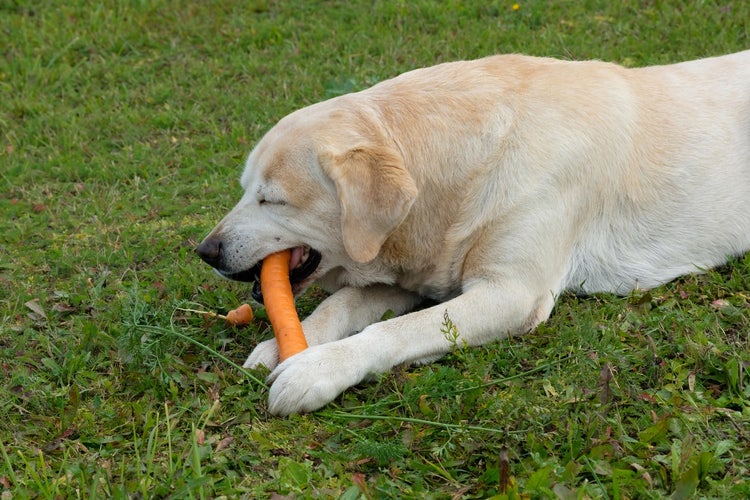
Carrots are one of the most affordable safe snacks for dogs.
They’re shelf-stable, easy to store, and work well as low-calorie chew options.
Shelters often use carrots for:
- Long kennel stays
- Occupying energetic dogs
- Teething puppies
Raw or steamed both work.
Plain Rice
Plain cooked rice isn’t a high-value reward, but it can be useful for dogs with upset stomachs.
It can also serve as a base for mixing medications or softer food rewards.
Rice is a practical option when working with sensitive dogs.
Eggs
Cooked eggs are protein-rich and easy to prepare in bulk.
Scrambled or chopped hard-boiled eggs can be very motivating and are often well tolerated.
Best uses:
- Food enrichment
- Trust-building with shy dogs
- Medication hiding
Eggs can be one of the most effective positive reinforcement dog training treats when other foods fail.
How to Use Human Food Strategically in Socialization
Knowing what human foods dogs can eat is only half the equation. How you use them matters.
Pair Food with Stressful Experiences
Food can change emotional responses.
For example:
- Dog sees leash = chicken appears
- Volunteer enters kennel = turkey tossed
- Nail clippers come out = cheese reward
Over time, scary things become predictors of good things.
Reward Calm Behavior
Don’t wait for “big” behaviors.
Reward:
- Sitting quietly
- Making eye contact
- Relaxing on a mat
- Choosing to approach
This helps shape confidence.
Toss Instead of Handfeeding
For fearful dogs, handfeeding can feel overwhelming.
Tossing food:
- Reduces pressure
- Builds confidence
- Encourages movement
This is one of the simplest dog socialization treats strategies.
Use Different Reward Levels
Not every situation needs cheese.
Think in levels:
Low value:
- Kibble
- Carrots
Medium value:
- Turkey
- Banana
High value:
- Chicken
- Cheese
- Peanut butter
Save the highest-value rewards for the hardest tasks.
Portion Control and Digestive Safety
Even when feeding safe human foods, moderation matters.
Treats should generally stay under 10% of a dog’s daily calories.
In shelters, overfeeding can happen quickly, especially when multiple volunteers work with the same dog.
To avoid problems:
- Track training treats when possible
- Use tiny pieces
- Introduce new foods slowly
- Watch for vomiting or diarrhea
- Avoid rich foods in large quantities
Remember: the goal is motivation, not a full meal.
Human Foods Shelter Dogs Should Never Eat
Not all human food is safe.
Avoid these completely:
- Chocolate
- Grapes
- Raisins
- Onions
- Garlic
- Xylitol
- Alcohol
- Macadamia nuts
- Cooked bones
- Excessively salty foods
- Spicy foods
Staff and volunteer consistency is critical. Everyone should know the “never feed” list.
Building a Shelter High-Value Treat Toolkit
Having a consistent food-reward system can improve training outcomes across the entire shelter.
A good toolkit might include:
- Pre-portioned chicken
- Freezeable turkey pieces
- Small cheese cubes
- Xylitol-free peanut butter
- Pumpkin puree
- Carrot sticks
- Lick mats
- Treat pouches
- Food-safe storage bins
Label foods clearly and create guidelines for when each reward should be used.
For example:
- Chicken = fearful dogs
- Cheese = medical handling
- Carrots = enrichment
- Peanut butter = cooperative care
This creates structure, improves consistency, and makes volunteer onboarding easier.
Food Can Be a Bridge to Trust
In shelter work, food is more than a reward. It’s communication.
For scared or uncertain dogs, the right food can create the first positive moment they’ve had in days... or longer. Whether it’s chicken during leash practice, peanut butter during vaccines, or pumpkin in a lick mat during kennel rest, safe human food for dogs can support socialization, reduce stress, and improve training success.
Used thoughtfully, dog-safe human foods can help shelter dogs feel safer, build trust faster, and move one step closer to finding a home.