How to Socialize a Fearful Shelter Dog
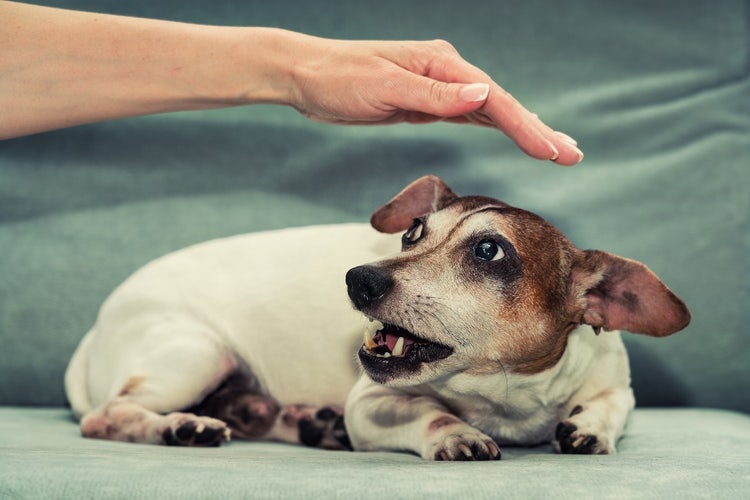
Not every shelter dog arrives wagging their tail and eager to make friends. Some come in shut down, trembling in the back of their kennel, avoiding eye contact, or retreating from human interaction. Others may bark, freeze, or even growl when approached. These behaviors can make it harder for them to connect with staff, volunteers, and potential adopters, but they’re often rooted in fear, not aggression.
Learning how to socialize a fearful dog takes patience, empathy, and the right approach. For shelter teams, helping a fearful shelter dog build trust can improve their quality of life, increase their adoptability, and set them up for long-term success in a home.
The key? Move slowly. Socialization should never feel like pressure.
What Makes a Shelter Dog Fearful?
A fearful shelter dog may be reacting to many things at once. Some come from neglectful or abusive situations, while others may simply have had little exposure to people, other animals, or new environments during their early development.
Common reasons a dog may be fearful include:
- Lack of socialization as a puppy
- Previous trauma or neglect
- Sudden separation from a familiar home
- Overstimulation from the shelter environment
- Genetic predisposition to shyness
It’s important to remember that fear can show up in different ways. A scared rescue dog might hide and shake or bark and lunge to create distance. Neither reaction means the dog is “bad.” They’re communicating discomfort.
Start with Decompression
Before beginning structured socialization, many fearful dogs need time to decompress.
Shelters are loud, busy, and unpredictable. New smells, barking dogs, unfamiliar people, and constant activity can keep stress levels high. A dog that’s overwhelmed won’t be ready to learn.
Helping a fearful dog adjust starts with making their immediate world feel safe.
Ways to support decompression:
- Set up a quiet kennel space when possible
- Keep routines predictable
- Limit unnecessary handling
- Feed at consistent times
- Allow for calm potty breaks away from chaos
Some dogs begin settling in after a few days. Others may need weeks. There’s no universal timeline.
Let the Dog Set the Pace
One of the most important dog socialization tips is simple: let them make the first move.
It can be tempting to reach in, pet them, or coax them forward, but for many shy dogs, this feels overwhelming.
Instead:
- Sit quietly nearby without making direct eye contact
- Turn your body sideways to appear less threatening
- Toss treats nearby rather than offering them from your hand
- Speak softly and minimally
- Allow the dog to approach, sniff, and retreat freely
This choice-based interaction helps build trust. For a shy shelter dog, learning that humans respect their boundaries can be the first big breakthrough.
Keep Exposure Low-Stress and Controlled
Socialization doesn’t mean throwing a fearful dog into every new experience at once.
For a nervous dog, too much exposure too quickly can backfire and reinforce fear. Instead, introduce new things gradually.
Focus on low-stress experiences like:
- Meeting one calm person at a time
- Walking in quieter areas
- Spending time near calm, social dogs
- Hearing new sounds at a distance
- Wearing a leash or harness for short sessions
Keep sessions brief; sometimes just five or ten minutes is enough.
The goal is to create successful, positive experiences, not to “push through” discomfort.
Learn to Read Stress Signals
Understanding canine body language is essential when socializing a nervous dog.
Fear often shows up before a dog reaches their breaking point. Catching those early signals can prevent setbacks.
Watch for:
- Lip licking
- Yawning
- Turning away
- Whale eye (showing the whites of the eyes)
- Trembling
- Freezing
- Panting when not hot
- Tucked tail
- Avoidance
If you notice these signs, it’s time to reduce the pressure. That may mean increasing distance, ending the session, or returning to a familiar activity.
Progress isn’t always linear.
Build Positive Associations
One of the most effective ways to build confidence is to pair scary things with good things.
This is called creating positive associations.
For example:
- New person appears = treats happen
- Leash comes out = fun sniff walk
- New room = favorite toy
Over time, the dog starts to associate unfamiliar experiences with rewards instead of fear.
Good motivators include:
- High-value treats like chicken or cheese
- Soft praise
- Toys for play-driven dogs
- Scent games
- Sniff walks
For many fearful dogs, sniffing can be especially calming. Allowing them to explore at their own pace can be a powerful trust-building tool.
Respect Small Wins
When working with a scared rescue dog, progress can be subtle.
Success might look like:
- Taking a treat for the first time
- Making eye contact
- Walking past a new person without retreating
- Choosing to sit near you
- Relaxing enough to lie down
These moments matter.
Celebrating small wins keeps expectations realistic and prevents frustration. A dog doesn’t need to become instantly outgoing to make meaningful progress.
Avoid These Common Mistakes
Even well-meaning shelter staff can accidentally overwhelm a fearful dog.
Avoid:
Flooding
Exposing the dog to too much at once can increase fear instead of reducing it.
Forcing touch
If the dog isn’t ready, petting can feel invasive.
Punishing fear-based behavior
Correcting growls or barking can suppress warning signs without addressing the fear.
Mistaking shutdown for calmness
A frozen, unresponsive dog isn’t necessarily relaxed.
Moving too fast after progress
One good day doesn’t mean the dog is ready for bigger challenges.
Patience is one of the most important shelter dog behavior tips you can practice.
When to Bring in Behavioral Support
Some fearful dogs need extra help.
It may be time to consult a trainer or veterinary behaviorist if the dog:
- Shows escalating fear responses
- Snaps or bites
- Refuses food for extended periods
- Self-injures from stress
- Cannot recover after mild stressors
Professional support can make a huge difference, especially for dogs with severe trauma.
Fearful Dogs Can Still Thrive
Socializing a fearful shelter dog isn’t about making them the most outgoing dog in the room. It’s about helping them feel safe enough to engage with the world.
For some dogs, that journey is quick. For others, it’s slow and steady.
But with patience, consistency, and compassion, even the most fearful dog can learn that people aren’t something to fear, and that trust is possible.
And sometimes, that first small step forward is the beginning of everything.