Halloween Safety for Dogs and Cats: How to Prep Your Shelter
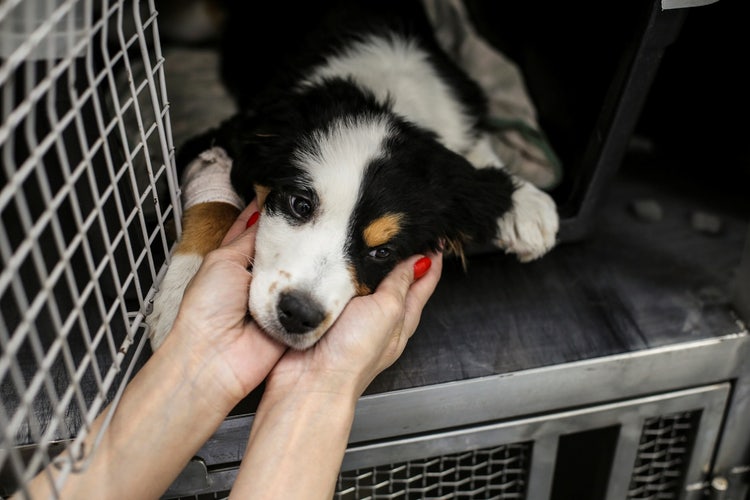
Halloween can be an exciting time for communities, but it also brings unique challenges for animal shelters and rescues. Increased foot traffic, unfamiliar costumes, loud noises, open doors, and tempting treats can create stressful or potentially dangerous situations for dogs and cats in care.
For shelter and rescue staff, preparing for Halloween means more than decorating kennels or planning seasonal events. It means protecting animal welfare, maintaining secure facilities, reducing stress, and helping adopters and volunteers understand Halloween pet safety.
With a little advance planning, your organization can celebrate the season while keeping animals safe, comfortable, and ready for adoption.
1. Create a Halloween Safety Plan
Before Halloween activities begin, review your shelter's routines and identify potential risks. Even small changes to daily operations can help prevent escapes, injuries, and unnecessary stress.
Start by reviewing:
- Entry and exit procedures: Make sure exterior doors, gates, and kennel doors remain secure when staff, volunteers, and visitors come and go.
- Visitor management: Establish clear guidelines for handling increased foot traffic, especially during adoption events or community celebrations.
- Animal handling: Remind staff and volunteers to use appropriate leashes, carriers, and other safety equipment when moving animals.
- Emergency contacts: Confirm that staff know whom to contact if an animal escapes, becomes ill, or is injured.
- Daily responsibilities: Assign team members to monitor animals, supervise events, and maintain secure entrances.
If your shelter hosts a Halloween adoption event, designate a staff member to oversee animal safety throughout the event. Establish clear procedures for separating animals from crowds and responding to signs of stress.
A written plan helps ensure that everyone, including temporary staff and volunteers, understands their responsibilities.
2. Reduce Stress from Costumes, Decorations, and Noise
Halloween decorations and costumes can be unsettling for animals who are already adjusting to the shelter environment. Dogs and cats may react to unfamiliar shapes, sudden movements, unusual smells, and loud sounds.
Keep animal welfare at the center of any seasonal activities.
- Introduce decorations gradually. Avoid placing large, unfamiliar decorations directly beside kennels or cat enclosures. Keep decorations away from resting areas and remove anything that appears to frighten or agitate animals.
- Limit loud noises. Halloween music, sound effects, and excited crowds can increase stress. Keep speakers away from animal housing and avoid startling noises around kennels.
- Be mindful of costumes. Staff and volunteers should approach animals calmly and avoid sudden movements. If a costume obscures a person's face or changes their silhouette, allow animals to approach voluntarily when appropriate.
- Provide quiet spaces. Make sure animals have access to hiding places, bedding, enrichment, or other appropriate comfort measures. Cats, in particular, benefit from safe hiding options that allow them to retreat from activity.
Watch for signs of stress, including hiding, trembling, excessive vocalization, panting, pacing, flattened ears, or changes in appetite. These behaviors can have multiple causes, but they warrant attention in context. Adjust the environment or handling approach when an animal appears uncomfortable.
Not every shelter pet will enjoy Halloween activities. Participation should always be optional, and animals should never be forced to interact with decorations, costumes, visitors, or other animals.
3. Keep Halloween Treats and Decorations Out of Reach
Candy and seasonal decorations can pose health risks to shelter pets. Staff should inspect common areas, event spaces, and animal housing for hazards before and during Halloween activities.
Important precautions include:
- Chocolate: Chocolate can be toxic to dogs and cats, with the level of risk depending on the type and amount consumed.
- Xylitol: This sweetener, sometimes found in sugar-free candy and gum, can cause a dangerous drop in blood sugar in dogs and may cause other serious complications.
- Raisins and grapes: These can cause kidney injury in dogs.
- Candy wrappers: Foil, plastic, and other packaging can present choking or intestinal obstruction risks.
- Decorative materials: Fake cobwebs, strings, ribbons, and small decorations may be swallowed and cause digestive problems.
- Electrical cords and lights: Keep cords secured and inaccessible to animals who might chew them.
- Open flames: Keep candles and other flames away from animals, bedding, and flammable decorations.
Never use candy as a treat for shelter animals. If your organization plans to offer seasonal treats, use appropriate pet-safe products and follow each animal's dietary restrictions.
Make sure staff know what to do if an animal eats something potentially toxic. Contact a veterinarian promptly for guidance rather than waiting for symptoms to develop. Record what the animal may have consumed, the approximate amount, and the time of exposure if that information is available.