How Shelters Can Improve Pet Adoption Rates
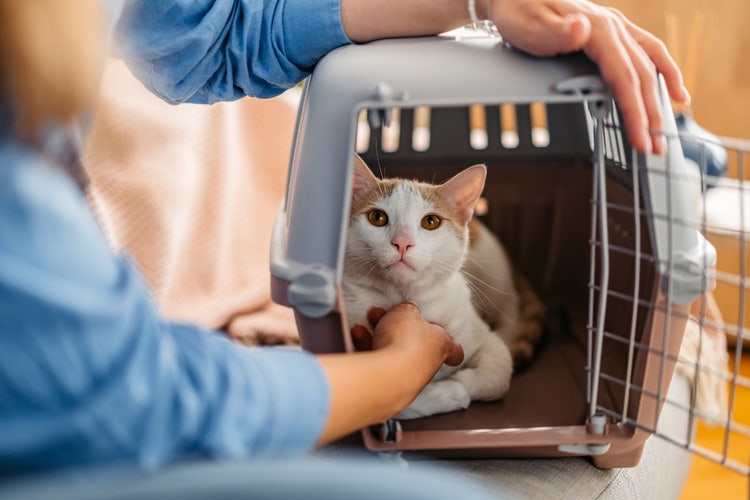
Animal shelters across the country face a common challenge: more pets in need than available homes. Overcrowding, long lengths of stay, and limited visibility can make it difficult to connect animals with the right adopters. The good news? Small, strategic changes in how shelters present, promote, and place pets can lead to meaningful increases in adoption rates.
Whether you’re managing a municipal shelter or a nonprofit rescue, the following strategies can teach you how to increase pet adoption rates, reduce length of stay, and ultimately save more lives.
Optimize Pet Listings for Maximum Visibility
For many adopters, the journey starts online. That means your pet listings are often your first (and most important) impression.
High-quality photos are essential. Use clear, well-lit images that show the pet’s face, body, and personality. Whenever possible, include multiple photos and even short videos. A playful clip or candid moment can make a pet feel more real and relatable.
Descriptions matter just as much. Avoid overly clinical language and instead focus on storytelling. Highlight the pet’s personality, quirks, and what makes them special. Instead of “2-year-old male, no known issues,” try “a playful, affectionate companion who loves fetch and cuddles.”
Be sure to include key details adopters are searching for:
- Energy level
- Compatibility with kids or other pets
- Training status
- Ideal home environment
The goal is simple: help potential adopters quickly envision this pet in their home.
Improve Online Presence and SEO
Even the best pet profiles won’t help if people can’t find them.
Shelters should ensure their websites are regularly updated and optimized for search. This includes using phrases adopters are actively searching for, like “adopt a dog near me” or “cat adoption in [city].” Keeping listings current and accurate also builds trust and prevents frustration.
A strong local presence is equally important. Claiming and updating your Google Business profile can help your shelter appear in local search results, especially for mobile users.
Finally, make sure your website is mobile-friendly. A large percentage of adopters browse on their phones, and a slow or clunky experience can cost you potential matches.
Leverage Social Media and Storytelling
Social media is one of the most powerful (and cost-effective) tools shelters have to increase visibility and engagement.
Platforms like Facebook, Instagram, and TikTok allow shelters to showcase pets in a more dynamic, emotional way. Instead of simply posting listings, focus on storytelling.
Share transformation stories, “day in the life” content, and behind-the-scenes glimpses of shelter life. Highlight long-stay pets with urgency-driven messaging and celebrate successful adoptions to build momentum and community trust.
Video content, in particular, performs exceptionally well. A short clip of a dog wagging their tail or a cat playing can generate significantly more engagement than static images alone.
Consistency is key. Regular posting keeps your audience engaged and ensures more eyes on your adoptable pets.
Reduce Barriers to Adoption
Even highly interested adopters can be discouraged by overly complex or restrictive processes.
Simplifying your adoption workflow can have a direct impact on conversion rates. Review your application process and look for opportunities to streamline.
Are there unnecessary steps? Long wait times? Confusing requirements?
Consider offering:
- Flexible adoption hours, including evenings or weekends
- Clear, transparent expectations for adopters
- Online applications or pre-approvals
Some shelters also find success with reduced or waived adoption fees during special events, as well as foster-to-adopt or trial adoption programs. These approaches can help hesitant adopters take the first step.
The goal isn’t to lower standards, it’s to remove friction.
Host Events and Community Outreach
Meeting adopters where they are can significantly increase your reach.
Adoption events, both on-site and off-site, create opportunities for face-to-face connections. Hosting events at pet stores, community centers, or local businesses can introduce your pets to new audiences who may not actively visit shelters.
Community involvement also builds awareness and trust. Participating in local events, farmers markets, or school programs helps position your shelter as a valued community resource.
The more visible and approachable your organization is, the more likely people are to consider adoption.
Use Data to Identify Adoption Bottlenecks
Data can reveal what’s working and what isn’t.
Track key metrics such as:
- Length of stay
- Adoption rates by species, breed, or age
- Return rates
These insights can help you identify trends. For example, are large dogs staying longer than small dogs? Are senior pets being overlooked? Are certain times of year slower for adoptions?
Once you identify patterns, you can adjust your strategies accordingly, whether that means targeted promotions, revised pricing, or enhanced marketing for specific groups.
Data-driven decisions lead to more effective outcomes.
Focus on Staff and Volunteer Engagement
Your team plays a critical role in adoption success.
Staff and volunteers are often the bridge between pets and potential adopters. Providing training on how to match pets with the right homes can improve both adoption rates and long-term success.
Encourage team members to:
- Learn each pet’s personality and needs
- Engage with visitors in a friendly, informative way
- Share consistent messaging about adoption benefits
Volunteers, in particular, can be powerful advocates. Empower them to promote pets on social media, assist at events, and help tell each animal’s story.
An informed, engaged team creates a better experience for adopters and better outcomes for pets.
Highlight Hard-to-Adopt Pets
Some pets naturally face longer waits: senior animals, those with medical needs, or pets with specific behavioral challenges.
Rather than letting these pets fade into the background, create targeted campaigns to spotlight them.
This could include:
- “Pet of the Week” features
- Sponsored social media posts
- Reduced adoption fees
- Foster-to-adopt opportunities
Storytelling is especially important here. Sharing a pet’s journey, personality, and progress can help potential adopters see beyond initial concerns.
Often, these pets just need the right narrative and the right audience.
Build Trust Through Transparency
Trust is a key factor in adoption decisions.
Being honest about a pet’s needs, behavior, and history helps set realistic expectations and reduces the likelihood of returns. While it may feel tempting to present every pet in the best possible light, transparency ultimately leads to better matches.
Providing post-adoption support, such as training resources, veterinary guidance, or follow-up communication, can also build confidence and strengthen relationships with adopters.
When people trust your organization, they’re more likely to adopt and recommend adoption to others.
Partner with Technology and Pet Services
Technology can play a powerful role in increasing adoption success.
Platforms that improve pet visibility, streamline adoption processes, or support pet safety can enhance your overall impact. From online listing tools to microchipping and recovery services, these solutions help shelters operate more efficiently and provide added value to adopters.
Strategic partnerships can also expand your reach and connect your pets with a broader audience.
Every Improvement Helps
Improving animal shelter adoptions isn’t about a single solution; it’s about combining thoughtful marketing, efficient operations, and strong community engagement.
By optimizing pet listings, leveraging digital tools, reducing barriers, and empowering your team, shelters can create a more effective adoption process that benefits both pets and people.
Even small changes can lead to meaningful results. Start with one or two strategies, measure your progress, and continue building from there. Every improvement brings you closer to your ultimate goal: helping more pets find loving, permanent homes.