How Microchips Help Animal Shelters Reunite Pets Faster
Every year, thousands of lost and found pets arrive at animal shelters with no visible identification. In many cases, the difference between a quick reunion and a long stay in a shelter comes down to one small detail: a microchip.
Microchips make it possible for animal shelters to identify a pet and contact the owner quickly, often within minutes. For families searching for lost pets, that small chip can mean the difference between days of uncertainty and a fast, safe return home. Let’s take a closer look at how microchips help animal shelters reunite pets faster and why they’re one of the most important tools in lost pet recovery.
What Happens When a Lost Pet Arrives at a Shelter? How Shelters Find Pet Owners
When a dog or cat is brought into a shelter, the intake process begins immediately. Shelter staff are trained to move quickly because they know many lost pets have families actively searching for them.
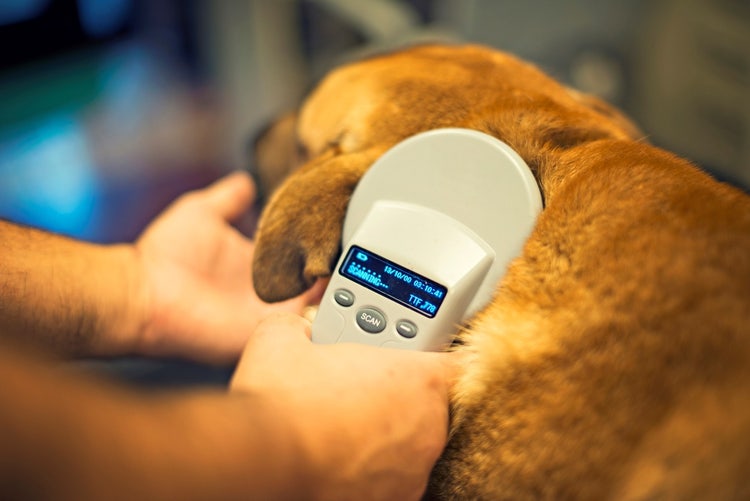
One of the first things staff members do is scan the pet for a microchip. A handheld scanner is passed slowly over the animal’s neck, shoulders, and back to detect a chip. If a microchip is present, the scanner displays a unique identification number that connects the pet to their owner through a registration database.
From there, shelter staff can search the database and attempt to contact the owner right away. In many cases, this entire process takes only a few minutes. Instead of waiting days for an owner to recognize a lost pet listing, the shelter can reach out directly and start the reunification process almost immediately.
Why Microchipped Pets Are Reunited Faster
Microchips significantly reduce the time a lost pet spends in a shelter. Without identification, shelters often need to hold lost pets for a set period of time while hoping an owner comes forward. That waiting period can be stressful for the pet and emotional for the family searching at home.
When a pet has a microchip, the process becomes much faster. Shelter staff don’t have to rely on posted photos, social media searches, or neighborhood flyers. Instead, they can go straight to the owner’s contact information.
This faster reunification helps in several ways:
- Pets return home sooner
- Owners experience less stress and uncertainty
- Shelters can focus more resources on animals that truly need new homes
- Lost pets are less likely to be misidentified or adopted out accidentally
Even a short delay can feel overwhelming for a worried pet owner, so anything that speeds up the process makes a huge difference.
How Microchips Work for Pets
A microchip is a very small device, about the size of a grain of rice, which is placed just under a pet’s skin, usually between the shoulder blades. The chip contains a unique identification number that never changes.
When a shelter or veterinary clinic scans the pet (yes, shelters do scan for microchips), the scanner reads that number. The number is then used to search a pet recovery database that contains the owner’s contact information. This allows shelters to reach the owner directly rather than waiting for someone to recognize the pet.
The process is simple, safe, and permanent. Unlike collars or tags, a microchip cannot fall off or be removed accidentally. That’s why it plays such a major role in helping shelters reunite lost and found pets with their families.
Real Benefits for Animal Shelters
Microchips don’t just help pet owners; they also make a huge difference for shelters themselves. When lost pets are reunited quickly, shelters can operate more efficiently and help more animals overall.
Here’s how microchips support shelters:
- They reduce the number of animals that must stay in temporary holding areas
- They help free up space for pets that truly need adoption
- They lower the cost of food, medical care, and housing for lost pets
- They reduce stress for both animals and shelter staff
- They improve overall microchip reunification rates
For busy shelters, especially in large cities, faster reunification means more resources can go toward animals that need long-term care or adoption support.
What Happens If a Pet Isn’t Microchipped?
When lost pets arrive without a microchip or visible identification, the process becomes much more difficult. Shelter staff must rely on community outreach instead of direct contact with the owner.
This often includes:
- Posting photos of the pet online
- Checking lost pet listings
- Waiting for someone to recognize the animal
- Holding the pet for a required period of time
- Transferring the pet if space becomes limited
During this time, the owner may be searching everywhere but still not find their pet quickly. Even when families are actively looking, it can take days or even weeks before the right match is made.
Microchips eliminate much of that uncertainty and make the reunification process far more reliable.
Do Microchips Really Increase Reunification Rates?
Yes, microchips dramatically improve the chances of a lost pet returning home. Pets with microchips are far more likely to be reunited with their families than those without them.
Dogs benefit significantly because they may travel far from home when they become lost. Cats benefit even more because they often lose collars or never wear one in the first place. For lost pets that arrive at shelters without visible identification, a microchip may be the only way to confirm ownership quickly.
The faster a pet can be identified, the faster they can go home. That simple advantage is one of the biggest reasons shelters strongly encourage microchipping.
How to Make Sure Your Pet’s Microchip Actually Works
A microchip only works if the information connected to it is accurate. Many pet owners assume the job is finished once the chip is implanted, but registration and updates are just as important.
To make sure your pet’s chip works properly:
- Register the chip immediately after it’s implanted
- Keep your phone number and email address up to date
- Update your contact details if you move
- Ask your veterinarian to scan the chip during annual visits
- Make sure the chip number matches your registration records
Microchips vs. Collars and ID Tags
Collars and ID tags are still extremely important, but they aren’t always enough on their own. Pets can slip out of collars, tags can wear down over time, and some cats never wear collars at all.
A microchip works differently because it’s permanent. It stays with the pet no matter what happens. The best protection comes from using both methods together:
- A collar and tag help someone identify your pet immediately
- A microchip helps shelters confirm ownership and contact you quickly
When both are used, the chances of being reunited with lost and found pets increase dramatically.
Why Shelters Strongly Recommend Microchipping
Animal shelters see firsthand how much faster microchipped pets return home. For them, microchips are not just a convenience; they’re one of the most effective tools available for lost pet recovery.
Microchips help shelters:
- Identify pets quickly
- Reduce overcrowding
- Lower stress for animals
- Improve reunification success
- Help families find their lost pets sooner
Because shelters work with lost animals every day, their recommendation carries real-world experience. They know that one small chip can prevent days (or even weeks) of uncertainty.
Microchips Help Reunite Pets Faster
Losing a pet is one of the most stressful experiences a pet owner can face. But microchips make it much easier for shelters to step in and help. When a lost pet arrives with a microchip, staff can identify the owner quickly, reach out immediately, and begin the reunification process right away.