How to Get Rid of Cat Litter Smell in Shelter Environments
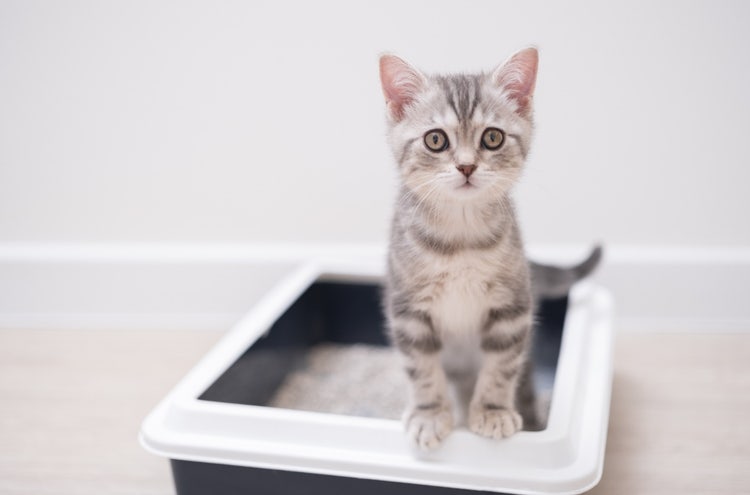
Cat litter odor is one of the most persistent challenges in animal shelters, rescue facilities, and foster homes caring for multiple cats. While some level of odor is unavoidable when housing numerous animals, strong or lingering smells shouldn't be accepted as "just part of the job."
Effective cat shelter sanitation isn't simply about creating a more pleasant environment for staff and volunteers. It also affects cat health, stress levels, visitor experiences, and even adoption outcomes. Potential adopters often form their first impression of a shelter within seconds of entering a cat room. A clean, fresh-smelling environment can help showcase the animals rather than distract from them.
Fortunately, there are practical, affordable ways to reduce litter box odor in multi-cat environments. By improving litter box maintenance, cleaning protocols, and facility ventilation, shelters can significantly improve air quality and create a healthier environment for everyone.
Why Multi-Cat Litter Box Odor Is Worse
Managing cat litter smell in a single-cat household is one thing. Managing it in a shelter with dozens of cats is another challenge entirely.
Higher Waste Volume
The more cats a facility houses, the more waste accumulates throughout the day. Even if litter boxes are cleaned regularly, urine and feces can quickly overwhelm litter's ability to absorb moisture and control odor.
This is especially true in communal cat rooms or adoption centers where multiple cats may share litter boxes.
Shared Resources
When several cats use the same litter box, waste accumulates faster than many caregivers realize. A box that appears relatively clean may already be saturated with urine underneath the surface.
This can lead to ammonia buildup, which produces the sharp odor many people associate with dirty litter boxes.
Stress-Related Elimination Changes
Shelter environments can be stressful for cats. Changes in routine, unfamiliar surroundings, noise, and interactions with other animals may affect elimination habits.
Some stressed cats develop diarrhea, urinate more frequently, or begin urine marking. These behaviors can increase odors and create additional cleaning challenges.
Start with Proper Shelter Litter Box Management
The most effective way to get rid of cat litter smell is to address its source.
Follow the Right Box-to-Cat Ratio
Animal behavior experts often recommend providing one litter box per cat plus one additional box.
While this ratio may not always be feasible in shelters, facilities should strive to provide as many litter boxes as space allows. Overcrowded litter boxes become dirty faster and may discourage cats from using them consistently.
Scoop Frequently
One of the simplest and most effective animal shelter cleaning tips is frequent scooping.
For most shelters, litter boxes should be scooped at least twice daily. In high-traffic cat rooms, additional cleanings may be necessary.
Removing waste promptly prevents odors from building and helps maintain litter effectiveness.
Completely Replace Litter on a Schedule
Many facilities add fresh litter throughout the week but postpone complete litter changes.
Over time, however, urine can saturate litter particles and settle at the bottom of the box. No amount of topping off can fully eliminate these trapped odors.
Establish a routine schedule for fully replacing litter based on the number of cats using each box.
Sanitize Boxes Properly
Litter boxes themselves can retain odors even after waste is removed.
During full litter changes:
- Empty all litter
- Wash boxes with warm water and mild detergent
- Rinse thoroughly
- Allow boxes to dry completely before refilling
Avoid heavily scented cleaning products, which may discourage cats from using the box.
Choosing the Best Litter for Cat Room Odor Control
Not all cat litters perform equally in shelter environments.
Clumping vs. Non-Clumping Litter
Clumping litter often provides superior odor control because it traps urine into easily removable clumps.
Non-clumping litter may be less expensive but often requires more frequent replacement to maintain odor control.
Each facility should evaluate costs, cleaning efficiency, and cat preferences when selecting litter.
Unscented vs. Scented Litter
Many people assume scented litter is the best solution for odor control. However, cats generally prefer unscented products.
Strong fragrances can be overwhelming to cats and may even discourage litter box use in sensitive individuals.
Rather than masking odors with fragrance, focus on removing the source of the smell through proper cleaning and maintenance.
Dust Considerations
Dusty litters may contribute to respiratory irritation for cats, staff, and volunteers.
Low-dust products often improve overall air quality while still providing effective odor control.
Balancing Cost and Performance
Shelters frequently operate with limited budgets, making litter costs a significant consideration.
The least expensive option isn't always the most economical in the long run. A litter that controls odor better and requires fewer complete changes may reduce labor costs and improve cleanliness overall.
Improve Ventilation and Air Quality
Even the cleanest litter boxes can contribute to odors if a room lacks proper airflow.
Increase Air Circulation
Good ventilation helps remove moisture, airborne particles, and odors before they accumulate.
Whenever possible, ensure cat housing areas receive adequate airflow through ventilation systems, open-air circulation, or properly positioned fans.
Consider Air Purifiers
Air purifiers equipped with HEPA filters can help reduce airborne dust, dander, and odor particles.
While they won't eliminate the source of odors, they can significantly improve overall air quality in enclosed cat rooms.
Control Humidity
High humidity can intensify odors by slowing evaporation and encouraging bacterial growth.
In humid climates, dehumidifiers may help reduce odors while creating a more comfortable environment for cats and caregivers.
Clean Beyond the Litter Box
Sometimes the litter box isn't the only culprit.
Urine residue may accumulate on:
- Floors
- Walls
- Cat condos
- Bedding
- Scratching posts
Routine cleaning of surrounding surfaces is essential for comprehensive odor control.
Prevent Odors Before They Start
The best odor-control strategy is prevention.
Clean Accidents Immediately
Urine and feces deposited outside the litter box can quickly create lingering smells.
Prompt cleanup prevents odors from penetrating surfaces and reduces the likelihood that cats will return to the same location.
Monitor High-Risk Areas
Certain areas require extra attention, including:
- Intake rooms
- Isolation wards
- Recovery areas
- Communal cat rooms
- Foster spaces housing multiple cats
Regular inspections help identify odor sources before they become larger problems.
Create Standard Cleaning Protocols
Consistency is critical in shelter operations.
Develop written procedures outlining:
- Daily litter box cleaning responsibilities
- Full litter replacement schedules
- Deep-cleaning protocols
- Documentation requirements
Standardized processes help ensure every staff member and volunteer follows the same practices.
When Strong Odors May Signal a Medical Problem
Not all litter box odors stem from housekeeping issues.
Strong Ammonia Smell
An unusually strong ammonia odor may indicate concentrated urine, which can sometimes be associated with dehydration or urinary tract concerns.
Foul-Smelling Stool
Persistent, unusually offensive stool odor may suggest:
- Gastrointestinal disease
- Parasites
- Dietary intolerance
- Infection
Increased Urination
Cats producing unusually large volumes of urine may be experiencing conditions such as diabetes, kidney disease, or hyperthyroidism.
Monitor and Report Changes
Shelter staff and volunteers often notice subtle changes before anyone else.
Report concerns to veterinary personnel if a cat exhibits:
- Sudden changes in urine odor
- Increased urination
- Diarrhea
- Blood in urine or stool
- Straining in the litter box
Early intervention can improve outcomes while helping reduce odor-related issues.
How Odor Control Supports Adoptions
Effective odor management does more than create a cleaner shelter.
Better First Impressions
Visitors often associate strong odors with poor sanitation, even when animals receive excellent care.
A clean-smelling environment helps adopters focus on the cats rather than the facility.
Improved Cat Welfare
Clean litter boxes encourage normal elimination behaviors and reduce stress.
Cats that feel comfortable using their litter boxes are generally healthier and easier to care for.
Higher Staff and Volunteer Satisfaction
No one enjoys working in a space with persistent odors. Cleaner environments improve morale and make daily caregiving tasks more pleasant.
Stay Consistent
Learning how to get rid of cat litter smell in multi-cat shelter environments starts with consistent litter box management, proper sanitation, and strong facility protocols. While caring for large numbers of cats presents unique challenges, odor control doesn't have to be overwhelming.
Frequent scooping, regular litter replacement, proper ventilation, and proactive cleaning can dramatically reduce litter box odors. Combined with ongoing health monitoring and staff education, these practices create a healthier environment for cats, caregivers, and adopters alike.
A cleaner-smelling shelter isn't just more welcoming; it's another way to support animal welfare and help cats find their forever homes.