Free Pet Vaccination Clinics: How Shelters Can Host Them
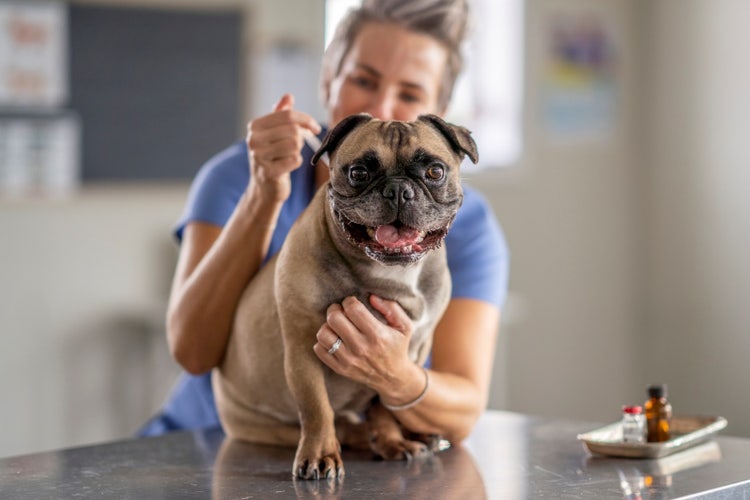
Keeping pets healthy shouldn’t depend on a family’s income or access to a veterinarian. Yet for many communities, vaccines and basic preventive care remain out of reach. Free and low-cost pet vaccination clinics give shelters a powerful way to bridge that gap—protecting both animals and public health while strengthening community trust.
Whether you’re a large municipal shelter or a small volunteer-run rescue, hosting a shelter vaccination event is more achievable than many organizations realize. With the right planning, staffing, and outreach, even a modest clinic can prevent illness, reduce shelter intake, and help pets stay safe at home where they belong.
This guide walks you through everything you need to know to host and promote a successful free pet vaccination event.
Why Free Vaccination Clinics Matter
Many families want to keep their pets healthy but face significant barriers:
- High veterinary costs
- Limited transportation options
- Living in “vet deserts”—areas with few veterinary clinics
- Lack of awareness about how often vaccines are needed
These barriers mean pets often miss core vaccines such as rabies, distemper, and parvovirus. Unfortunately, the consequences can be serious: contagious disease outbreaks, preventable suffering, and higher shelter intake when families can’t afford care.
Free vaccination clinics solve several problems at once:
- Preventing disease protects the entire community.
- Providing access to care helps keep pets in their homes.
- Reducing unvaccinated pet populations lowers the risk of outbreaks.
- Offering judgment-free support builds trust between shelters and residents.
Vaccination clinics are also one of the most effective forms of pet retention support, helping families who might otherwise surrender a sick pet.
Planning Your Community Pet Vaccine Clinic: Location, Timing & Setup
A successful clinic starts with strategic planning. Consider:
Choosing the Right Location
- Your shelter parking lot or outdoor campus
- A community center, school, or recreation facility
- A partner location such as a food bank or church
- A mobile clinic or pop-up tent in high-need neighborhoods
Where you host your clinic matters. Make it easy for families to attend, especially those with limited transportation.
Scheduling the Event
- Weekends often draw the highest attendance.
- Evenings can work well for working families.
- Avoid extreme weather months for outdoor events.
Preparing the Physical Layout
Set up separate areas for:
- Check-in
- Waiting
- Vaccine administration
- Recovery
- Exit / resource station (flyers, food pantry info, microchip sign-ups)
Clear signage and organized traffic flow are essential for safety and efficiency.
Sourcing Vaccines and Supplies
Shelters don’t need large budgets to run a clinic; creativity and partnerships go a long way.
Affordable Vaccine Sources
- Veterinary distributors who offer nonprofit pricing
- Manufacturer donations and vaccine grants
- Local veterinarians willing to donate surplus inventory
- Sponsorships from pet supply stores or service organizations
Shelters should also explore support from national vaccine-access initiatives. One standout option is the Petco Love vaccine partner program, which provides participating organizations with free vaccines and has awarded millions in grants to expand access to preventive care. For shelters with limited budgets, partnerships like this can significantly increase clinic capacity and community impact.
Basic Supplies You’ll Need
- Core vaccines (rabies, distemper/parvo, FVRCP for cats)
- Syringes and sharps containers
- Gloves and PPE
- Microchips and scanners (optional but recommended)
- Coolers for vaccine temperature control
- Forms: waivers, certificates, intake sheets
- Leashes, slip leads, treats, and towels
Make a checklist early so ordering happens well before the event.
Staffing and Volunteer Roles
A well-staffed clinic runs smoothly, even under high demand.
Essential Team Roles
- Licensed veterinarian(s): required for administering rabies vaccines in most states
- Veterinary technicians or assistants
- Check-in staff for forms and traffic flow
- Animal handlers to guide pets safely through the process
- Runners to move supplies and assist vaccine teams
- Crowd management volunteers
- Outreach or communications staff to answer questions and provide educational materials
Training Your Team
Before the clinic:
- Review safety protocols for fearful or reactive pets.
- Walk volunteers through the traffic flow.
- Clarify who handles paperwork, who gives instructions, and who escorts families.
Multilingual volunteers are extremely valuable when serving diverse communities.
Legal and Safety Considerations
Every state has specific rules about who can administer rabies vaccines and how records must be kept. Shelters should:
- Review local regulations ahead of time
- Prepare vaccination certificates for each pet
- Require signed liability waivers
- Maintain safe handling procedures for dogs and cats
- Stock emergency supplies for rare vaccine reactions
This ensures your clinic is both compliant and safe for pets, volunteers, and attendees.
Promoting Your Free Vaccination Clinic
Strong outreach can be the difference between low turnout and a fully booked event.
Where to Share Your Event
- Social media (Facebook, Instagram, TikTok, neighborhood groups)
- Flyers at vet clinics, libraries, community centers, schools, and pet-friendly housing
- Partnerships with food banks, social service agencies, and churches
- Local news outlets and radio stations
- Email and SMS alerts to past adopters or community members
Messaging Tips
Use accessible, stigma-free language such as:
- “No income proof required”
- “Walk-ins welcome while supplies last”
- “Free dog vaccines/Free cat vaccines—everyone welcome”
Clear, friendly messaging builds trust and encourages families who may otherwise feel intimidated seeking help.
Day-of Best Practices: Running a Smooth Clinic
On the morning of the event:
Create a Calm, Organized Environment
- Set up shade, water, and seating for attendees.
- Have separate areas for cats and dogs whenever possible.
- Use volunteers as greeters to answer questions and guide families.
Streamline Your Flow
- Use a ticket or number system to reduce anxiety.
- Offer a pre-check-in table for paperwork.
- Have multiple vaccine stations if staffing allows.
Pet Safety Comes First
- Provide slip leads for dogs and secure carriers for cats.
- Give treats to help with fear or stress.
- Have a designated team member ready to handle medical concerns or vaccine reactions.
Your goal: efficient, safe, and calm, not rushed.
Collecting Data and Measuring Impact
Tracking attendance and outcomes helps shelters secure future funding and improve operations.
Record:
- Number of pets vaccinated
- Types of vaccines administered
- Community demographics or neighborhoods served
- Wait times and attendance peaks
- Any follow-up needs (boosters, food pantry referrals, microchip appointments)
Use this data for:
- Grant applications
- Annual reports
- Community presentations
- Planning future clinics
It also reinforces the success of your community veterinary support programs.
Building Long-Term Community Trust
A vaccination clinic shouldn’t be a one-time even; it should be a gateway to deeper connections.
At your exit station, provide information about:
- Low-cost spay/neuter options
- Pet food pantries
- Microchip registration
- Behavioral helplines
- Training or enrichment resources
- Future clinic dates
These services show families you’re here to support them year-round, not just at events.
Any Shelter Can Do It
Free pet vaccination clinics are one of the most impactful community outreach tools a shelter can offer. They reduce preventable diseases, strengthen relationships with pet owners, and help keep pets where they belong: at home with the people who love them.
With thoughtful planning, the right partners, and compassionate outreach, any shelter—large or small—can host a successful, life-saving event. Start with what you have, build connections, and grow from there. Your community will feel the impact long after the clinic ends.