Dog Enrichment Activities: Keeping Shelter Dogs Stimulated
Shelter environments are designed for safety and care, but they can also be overwhelming and monotonous for dogs. Confinement, noise, unfamiliar routines, and limited social interaction can lead to stress, frustration, and behavioral decline.
That’s where dog enrichment activities become essential.
Enrichment for shelter dogs isn’t just about keeping them busy. It supports mental stimulation, provides physical exercise, reduces stress, and improves overall adoptability. With thoughtful planning, even small shelters with limited budgets can implement meaningful programs that transform daily kennel life.
Below is a practical guide to shelter dog enrichment strategies that are effective, scalable, and realistic for busy rescue environments.
Why Shelter Dog Enrichment Is Essential
Without adequate stimulation, dogs in shelters may develop:
- Excessive barking
- Pacing or spinning
- Jumping or barrier frustration
- Withdrawal or shutdown behaviors
- Decreased appetite
- Heightened reactivity
Chronic stress elevates cortisol levels and can impact immune health, digestion, and emotional regulation.
Providing consistent mental stimulation and physical outlets helps:
- Reduce dog stress in shelters
- Prevent bad behavior
- Increase positive human interaction
- Showcase adoptable traits
- Improve overall welfare
Enrichment is not optional; it is a core component of humane shelter care.
Dog Mental Stimulation Activities
Mental exercise is often more tiring than physical exercise. Incorporating short, structured cognitive activities can significantly improve kennel behavior.
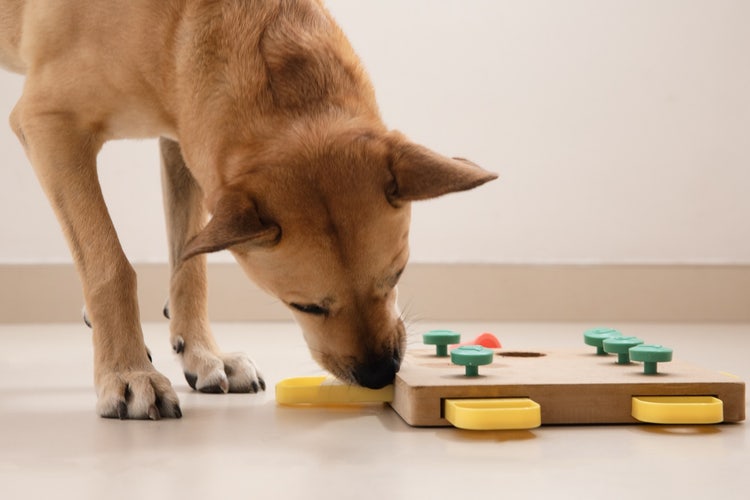
Food Puzzle Toys
- Stuffed rubber toys
- Treat-dispensing balls
- Lick mats
- Slow feeders
Food-based dog enrichment toys encourage natural foraging behaviors and promote calm focus.
Snuffle Mats & Scatter Feeding
Allow dogs to search for kibble hidden in mats, grass, or safe outdoor areas. This taps into scent-driven problem solving and reduces frustration.
“Find It” Scent Games
Hide treats in controlled spaces and encourage dogs to use their noses. Scent work builds confidence and can be particularly helpful for shy dogs.
Short Training Sessions
Five-minute clicker or reward-based sessions reinforce basic cues such as:
- Sit
- Touch
- Watch me
- Settle
These activities strengthen communication and improve adoptability by teaching desirable behaviors.
Physical Stimulation for Dogs in Shelters
While mental stimulation is critical, physical stimulation for dogs remains an important part of daily care.
Structured Leash Walks
Short, predictable walks reduce excess energy and provide exposure to different environments.
Playgroups (When Appropriate)
With proper temperament screening, supervised playgroups offer:
- Social enrichment
- Physical exercise
- Behavioral observation opportunities
Safety assessments are essential before introducing group activities.
Controlled Games
- Tug sessions
- Fetch in secure areas
- Agility-style obstacle courses made from cones or safe household items
Physical enrichment should be tailored to individual energy levels and medical restrictions.
Sensory Enrichment Ideas
Dogs experience the world through their senses. Sensory enrichment supports emotional balance.
Sound
- Soft classical music
- White noise machines
- Designated quiet hours
Visual Adjustments
- Partial kennel covers
- Visual barriers between reactive dogs
- Reducing overstimulating foot traffic when possible
Novel Scents
Introducing safe, mild scents (such as herbs placed outside the kennel) can stimulate curiosity and exploration without overwhelming the dog.
Rotating enrichment prevents overstimulation while maintaining novelty.
DIY Dog Enrichment on a Budget
Limited budgets should never prevent enrichment.
Low-cost canine enrichment ideas include:
- Cardboard boxes filled with paper and hidden treats
- Towel rolls with kibble tucked inside
- Frozen diluted broth cubes
- Plastic bottles with holes (used only under supervision)
- Donation drives for enrichment supplies
Encourage volunteers and community members to contribute materials. Many enrichment tools can be created from everyday household items with proper safety checks.
Building a Structured Shelter Dog Enrichment Program
Consistency is key. Random enrichment sessions are helpful, but structured programs produce measurable results.
Consider implementing:
- A daily enrichment rotation schedule
- Individual enrichment plans for high-need dogs
- Volunteer training on safe enrichment delivery
- Behavior tracking logs
Documenting responses to enrichment allows staff to refine strategies and identify what works best for each dog.
Tailoring Enrichment to Different Temperaments
Not all dogs benefit from the same activities.
High-Energy Dogs
- Longer walks
- Puzzle feeders that require sustained effort
- Agility-style obstacle exercises
Fearful or Anxious Dogs
- Gentle scent games
- Low-pressure food puzzles
- Quiet enrichment sessions away from heavy traffic
Senior Dogs
- Low-impact sniff walks
- Soft chew enrichment
- Short training sessions focused on engagement
Puppies
- Supervised play
- Short learning games
- Teething-safe enrichment toys
Individualization reduces stress and increases success.
Safety Considerations for Shelter Dog Enrichment
Enrichment must always prioritize safety.
- Supervise new toy introduction
- Inspect items for choking hazards
- Sanitize reusable enrichment materials
- Monitor for resource guarding behaviors
- Adjust plans for dogs with medical limitations
Clear guidelines help ensure enrichment remains beneficial rather than risky.
Measuring the Impact of Enrichment
To evaluate effectiveness, shelters can track:
- Reduction in barking or pacing
- Increased resting behavior
- Improved appetite
- Enhanced volunteer interactions
- Adoption rates and positive adopter feedback
Weekly staff check-ins to discuss behavior trends strengthen program consistency.
Engaging Volunteers and the Community
Enrichment programs thrive when volunteers are involved.
Ways to expand participation:
- Host DIY enrichment workshops
- Create toy donation drives
- Train volunteers in safe enrichment delivery
- Share enrichment success stories on social media
Highlighting enrichment efforts increases community trust and adoption interest.
Small Activities, Big Results
Dog enrichment activities play a vital role in reducing shelter stress and improving adoptability. Whether through puzzle toys, scent games, structured walks, or DIY enrichment, consistent mental and physical stimulation enhances canine welfare in measurable ways.
Even small daily changes: five-minute training sessions, rotating toys, predictable routines, can transform a dog’s shelter experience.
By committing to structured shelter dog enrichment, staff and volunteers create calmer kennels, healthier dogs, and stronger adoption outcomes.
Ready to strengthen your shelter’s enrichment strategy? Start small, stay consistent, and track results; every activity counts.