10 Creative Ways to Get Your Community Involved at Your Animal Shelter
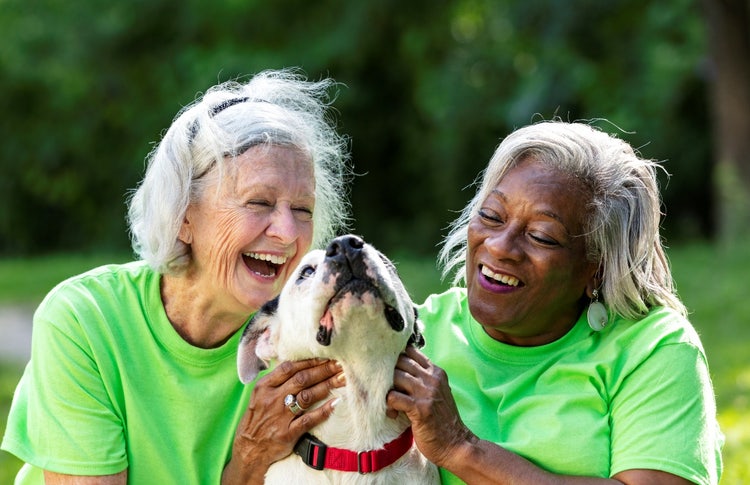
Animal shelters and rescue organizations rely on dedicated staff and volunteers to care for pets while they wait for their forever homes. But with busy kennels, limited resources, and more tasks than one team can handle, shelters can benefit from finding new ways to involve their communities.
The good news? Not every volunteer needs to be an experienced animal handler.
Some people can walk dogs or clean kennels. Others may be talented photographers, writers, artists, drivers, social media users, or event organizers. Even children and students can find age-appropriate ways to help shelter pets get noticed.
By creating a variety of volunteer opportunities, your shelter can attract people with different interests and skills while giving your staff some much-needed support.
Here are some creative ways to get your community involved.
1. Recruit Volunteer Pet Photographers
A great photo can make a huge difference when someone is browsing adoptable pets online.
Professional photographers aren't the only people who can help. Amateur photographers, photography students, and animal-loving community members may be happy to volunteer their time to take photos of shelter pets.
Ask photographers to capture more than a standard kennel photo. Pictures of a cat playing with a toy, a dog enjoying a walk, or a pet relaxing with a volunteer can help show potential adopters what that animal is like outside of their kennel.
2. Find Volunteer Bio Writers
Every adoptable pet has a story, but shelter staff don't always have time to turn every story into an engaging adoption bio.
Volunteer writers can help.
A bio-writing volunteer can spend time with an animal, talk with the staff, and review information from foster families to create a description that highlights the pet's personality.
Instead of simply saying that a dog is "friendly," a volunteer might describe how the dog greets people, what toys they enjoy, or how they behave during walks.
For cats, a volunteer might document whether they enjoy attention, prefer a quiet space, or become playful once they feel comfortable.
These details can help prospective adopters imagine what life with a pet could be like.
3. Give Pets Some Extra Enrichment
Volunteers can provide valuable enrichment through activities that are appropriate for each animal.
Depending on the shelter's policies and volunteer training, this could include:
- Taking dogs for walks
- Playing with cats
- Providing approved toys and enrichment activities
- Practicing basic training
- Spending quiet one-on-one time with shy animals
- Reading to pets
- Helping animals become comfortable around new people
Enrichment isn't just about keeping pets occupied. Positive experiences can help animals stay mentally stimulated and give volunteers an opportunity to learn more about their personalities.
Volunteers can also share observations with shelter staff. A volunteer may discover that a seemingly shy cat becomes playful with a wand toy or that a dog becomes more relaxed after a few minutes of walking.
Those observations can be useful when creating an adoption profile.
4. Ask for Help with Transportation
Transportation can be a significant challenge for shelters and rescues.
Volunteer drivers may be able to help transport animals to veterinary appointments, adoption events, foster homes, or other approved destinations.
Depending on the organization's needs, transportation volunteers could also help move supplies or assist with transporting pets between shelter locations.
Because transporting animals requires safety precautions, shelters should establish clear policies and provide any necessary training before volunteers get behind the wheel.
5. Turn Kids Into Shelter Artists
Getting children involved can be a fun way to bring attention to adoptable pets while teaching young people about animal welfare.
One simple idea is to invite children to create artwork for shelter kennels, adoption events, or social media posts.
Drawings featuring cats, dogs, hearts, funny faces, or messages such as "Adopt Me!" can add a personal touch to an animal's space and may help catch the eye of visitors.
Shelters can work with schools, libraries, youth groups, or community organizations to organize age-appropriate art projects.
Always follow appropriate policies for children's participation and obtain parental or guardian permission when necessary.
6. Partner with Local Schools and Students
Schools can be a source of volunteers with a surprisingly wide range of skills.
Students studying photography, graphic design, marketing, journalism, writing, veterinary science, or other related subjects may be interested in gaining hands-on experience while helping shelter pets.
For example, a shelter could develop a volunteer project where students:
- Photograph adoptable animals
- Write adoption bios
- Design promotional materials
- Create social media content
- Develop adoption-event flyers
- Create educational materials about responsible pet ownership
- Produce artwork for shelter spaces
7. Build a Social Media Volunteer Team
Social media can help adoptable pets reach people far beyond the shelter's physical location.
Consider creating a group of trained volunteers who can help share approved content on platforms such as Facebook, Instagram, and TikTok.
Volunteers might photograph pets, suggest post ideas, share adoption events, or help tell the stories of animals who have been waiting for homes.
Shelters should establish clear guidelines about what volunteers can post and how they should handle questions or comments from the public. Having a consistent approval process can help ensure that information about adoptable animals stays accurate.
8. Recruit Event Volunteers
Adoption events can require a lot of hands.
Volunteers can help with setup and cleanup, greeting visitors, directing traffic, distributing educational materials, taking photos, managing supplies, and assisting with other non-animal-handling tasks.
Consider asking community members to help organize events too.
A local business might host an adoption event. A photographer might offer mini photo sessions. A school group could create decorations. A local artist might donate artwork. A pet-friendly business could provide supplies or promotional support.
The more people involved, the more opportunities there are to introduce shelter pets to potential adopters.
9. Create a "Behind-the-Scenes" Volunteer Program
Some people love animals but aren't comfortable handling them.
That shouldn't prevent them from volunteering.
Shelters need help with many behind-the-scenes tasks, including organizing supplies, folding laundry, cleaning approved areas, stuffing adoption packets, preparing event materials, entering information, assembling enrichment items, and other administrative tasks.
These positions can be especially useful for people who want to help but have limited experience working directly with animals.
They can also give new volunteers a way to become familiar with the shelter before taking on additional responsibilities.
10. Give Volunteers Specific Projects to Own
One of the easiest ways to attract volunteers may be to stop asking for "volunteers" in general and start asking for help with specific projects.
Instead of:
"Volunteers needed!"
Try:
"Looking for someone to photograph five adoptable cats this Saturday."
Or:
"Can you spend an hour writing adoption bios for three dogs?"
Specific opportunities make it easier for people to understand exactly how they can help.
They also allow shelters to reach people based on their interests and skills.
A volunteer who doesn't have time for a weekly commitment might still be able to photograph pets once a month. Someone who works from home might be able to write adoption bios remotely. A student might be able to help with a one-day adoption event.
Small contributions can add up.
Every Volunteer Can Help a Shelter Pet Get Noticed
A shelter doesn't need every volunteer to be an animal expert.
When shelters create opportunities that match different skills, schedules, and interests, they can build a larger and more diverse volunteer community.
And ultimately, every extra helping hand can make a difference for the animals waiting for homes.