Best Dog Grooming Clippers for Long-Haired Shelter Dogs
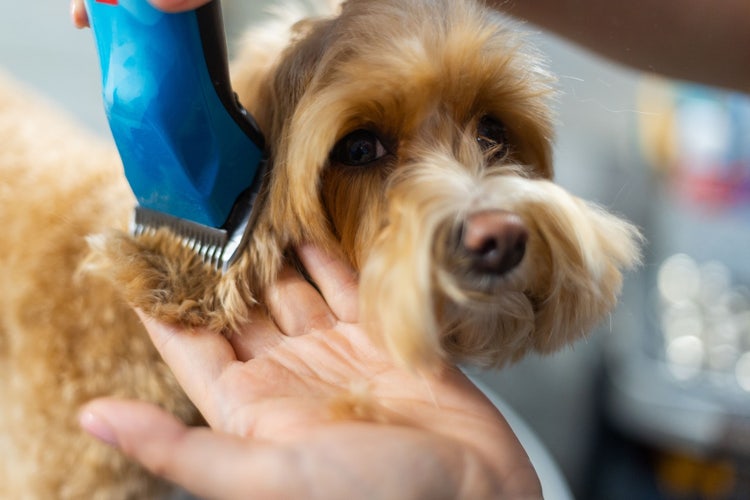
When a long-haired dog arrives at a shelter, grooming is often one of the first and most important steps in their care. Many dogs enter shelters with severely matted coats, accumulated dirt, parasites, and skin conditions hidden beneath layers of fur. Proper grooming not only improves a dog's appearance but can also significantly impact their comfort, health, and adoptability.
For shelter professionals and rescue workers, having the right dog grooming clippers can make all the difference. The best dog grooming clippers for long haired dogs can help staff safely remove mats, reduce grooming time, and improve outcomes for dogs in their care.
This guide covers what to look for in professional dog grooming clippers and highlights some of the best options for shelters and rescues.
Why Long-Haired Shelter Dogs Require Specialized Clippers
Grooming a family pet that receives regular brushing is very different from grooming a neglected shelter dog.
Many long-haired shelter dogs arrive with:
- Severe matting
- Thick undercoats
- Embedded debris
- Fleas and ticks
- Skin infections
- Areas of urine or fecal contamination
Standard consumer-grade clippers often struggle with these conditions. Shelter environments require heavy duty dog clippers capable of handling thick coats and extended grooming sessions without overheating.
Long-haired breeds commonly seen in shelters include:
- Golden Retrievers
- Great Pyrenees
- Shih Tzus
- Lhasa Apsos
- Collies
- Australian Shepherds
- Mixed-breed dogs with double coats
Because shelter staff may groom multiple dogs each day, durability and reliability are critical considerations when selecting dog grooming equipment.
What to Look for in Dog Grooming Clippers
Not all clippers are designed for shelter use. Understanding key features can help organizations make a smart investment.
Motor Power
Powerful rotary motors are generally preferred for shelter dog grooming.
Benefits include:
- Better performance on thick coats
- Ability to cut through moderate matting
- Reduced snagging and pulling
- Consistent speed under heavy workloads
Corded vs. Cordless Clippers
Both options have advantages.
Corded Clippers
Pros:
- Unlimited runtime
- Consistent power output
- Often less expensive
Cons:
- Reduced mobility
- Cord management challenges
Cordless Clippers
Pros:
- Greater flexibility
- Easier handling around nervous dogs
- Improved maneuverability
Cons:
- Battery limitations
- Higher upfront cost
Many shelters find that maintaining a combination of corded and cordless units provides the most flexibility.
Blade Quality
High-quality blades are essential when grooming neglected dogs.
Look for:
- Detachable blade systems
- Stainless steel construction
- Easy cleaning and maintenance
- Wide availability of replacement blades
Detachable blades allow staff to switch quickly between grooming tasks and replace hot blades during lengthy sessions.
Noise and Vibration Levels
Many shelter dogs are already stressed or fearful.
Clippers with lower vibration and quieter motors can help reduce anxiety during grooming sessions. This can improve safety for both dogs and handlers.
Ease of Maintenance
Shelter equipment gets heavy use.
Choose clippers that are:
- Easy to clean
- Simple to oil
- Durable enough for daily operation
- Supported by readily available replacement parts
Routine maintenance extends the lifespan of dog grooming tools and helps prevent costly downtime.
Best Dog Grooming Clippers for Long-Haired Shelter Dogs
The following models are widely respected among professional groomers and animal care professionals.
| Clipper | Best For | Key Features |
| Andis AGC2 2-Speed | Daily shelter grooming | Powerful rotary motor, cool-running design |
| Wahl KM10 | Stress-sensitive dogs | Quiet operation, low vibration |
| Oster A5 Turbo 2-Speed | Thick and matted coats | Durable housing, strong cutting power |
| Andis Pulse ZR II | High-volume grooming | Cordless operation, multiple speed settings |
| Wahl Bravura Lithium | Finishing work | Lightweight, excellent for detail trimming |
Grooming Tips for Severely Matted Shelter Dogs
Even the best dog grooming clippers for matted dog hair must be used carefully when dealing with neglected coats.
Perform a Thorough Assessment First
Before clipping:
- Check for wounds
- Look for skin infections
- Assess parasite infestations
- Identify painful areas
Severe matting can conceal significant medical issues.
Use the Correct Blade
Different situations require different blade lengths.
Shorter blades are often necessary when removing severe mats, but caution is essential to avoid skin injuries.
Avoid Pulling Through Mats
Attempting to force clippers through dense mats can:
- Damage equipment
- Cause discomfort
- Increase injury risk
Work slowly and methodically.
Monitor Blade Temperature
Blades can become hot during extended grooming sessions.
Regularly:
- Check blade temperature
- Swap blades as needed
- Use cooling products
- Allow equipment to rest
Burns from overheated blades are entirely preventable.
When Professional Grooming Assistance May Be Necessary
Some cases exceed the capabilities of routine shelter grooming.
Professional groomers or veterinary teams may be needed when dogs have:
- Severe pelted matting
- Embedded foreign material
- Advanced skin disease
- Open wounds
- Extreme fear or aggression
- Medical conditions requiring sedation
In these situations, attempting to rush the process may increase the risk of injury.